
Dalechampia ipomoeifolia
Dalechampia ipomoeifolia
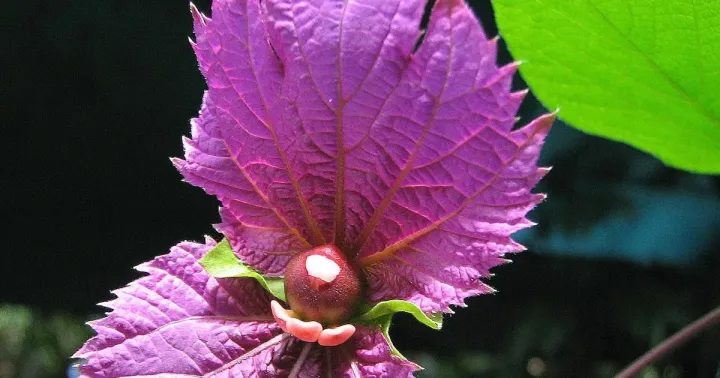
Description
Growing requirements
Dalechampia ipomoeifolia is a herbaceous vine belonging to the Spurge family (Euphorbiaceae). This perennial species is native to the tropical regions of Central and South America, where it thrives in warm and humid environments.
Successful cultivation requires consistently high air temperatures, characteristic of tropical climates. The plant is extremely sensitive to frost and even short-term drops in temperature below 10-12 degrees Celsius, which makes outdoor cultivation impossible in temperate zones.
Soil requirements involve well-drained, fertile substrates with a neutral to slightly acidic pH. Waterlogging is detrimental to the root system; therefore, when growing the plant in containers or greenhouses, it is essential to provide an effective drainage layer.
Light intensity is critical for the vine's lifecycle. It prefers bright, indirect light, avoiding direct midday sun which can scorch the leaves. Insufficient illumination causes the plant to become leggy and lose its vigor or ornamental value.
A distinctive biological feature of the species is the presence of modified bracts that are often mistaken for flower petals. The leaves have a characteristic ipomoea-like shape, which is reflected in the specific name of the plant, setting it apart from other members of the family.
Main diseases and pests
The primary pests for this crop in a greenhouse setting include spider mites and mealybugs. These insects thrive in low humidity conditions; therefore, regular misting and careful monitoring of foliage health are essential for prevention.
Diseases are most often linked to improper irrigation schedules, which trigger the development of root rots. Phytopathogens such as Pythium or Rhizoctonia rapidly damage the plant's vascular system if the soil remains excessively moist.
To combat pests, regular inspection of the leaf undersides and the use of biological insecticides are recommended. In cases of severe infestation, acaricidal agents approved for greenhouse use prove to be effective.
Disease prevention relies heavily on ensuring adequate ventilation in the areas where the plant is grown. Stagnant air creates an environment conducive to the spread of fungal spores, making consistent airflow a key protective factor.
It is important to note that all parts of the plant contain a milky sap typical of Euphorbiaceae. This sap can cause skin or mucosal irritation upon contact, which must be considered during all agronomic operations, including pruning and repotting.