
Dwarf spurge
Euphorbia platyphyllos
Description
Sowing dates
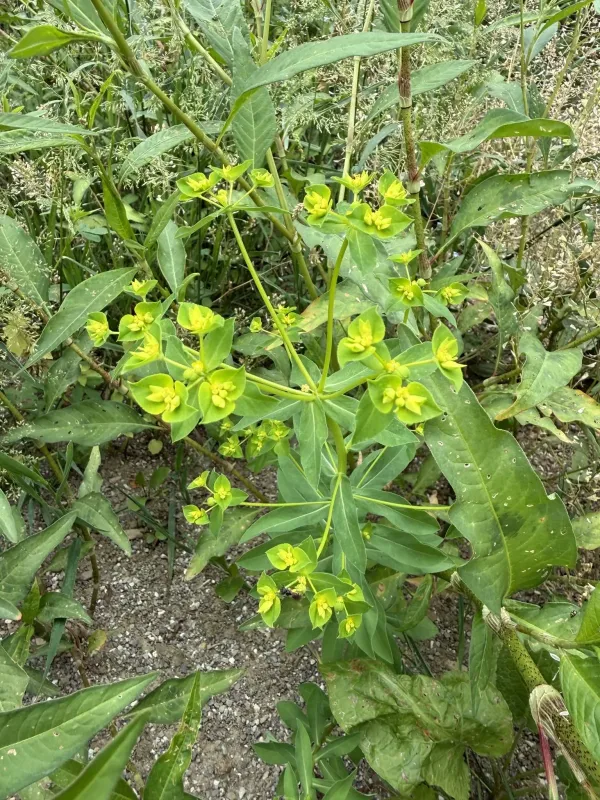
Dwarf spurge (Euphorbia platyphyllos) is an annual herbaceous plant belonging to the Euphorbiaceae family. In agriculture, it is recognized as a problematic weed that infests various crops, including cereals and row crops, particularly in Europe and parts of North America.
Seed germination typically begins in the early spring once soil temperatures reach approximately 8-10°C. The timing of emergence often overlaps with the sowing of spring crops, establishing the plant as an early-season competitor for space and resources.
The seeds possess strong dormancy mechanisms, allowing them to remain viable in the soil seed bank for several years. This persistence makes eradicating the weed from fields a multi-year challenge for farmers.
Dwarf spurge plants are capable of emerging from depths of up to 5 centimeters. This deep emergence capacity allows them to evade superficial soil treatments and emerge even after standard mechanical weed control measures have been completed.
The reproductive strategy of the species relies on high seed production. A single mature plant can produce hundreds of seeds, which are dispersed primarily through contaminated agricultural machinery, wind, and water runoff.
Growing requirements
This species thrives in open, sunny environments. It is frequently found on well-drained, nutrient-rich soils, including loams and clays. Its preference for nitrogen-rich environments aligns it closely with highly managed agricultural land.
The plant exhibits high ecological plasticity, allowing it to colonize a wide range of habitats. While it prefers moist conditions, its deep root system grants it enough resilience to withstand short-term drought periods during the summer.
Soil pH does not appear to be a limiting factor for growth. It is equally successful on neutral, slightly acidic, or slightly alkaline soils, which contributes to its broad geographical distribution across various agricultural zones.
Temperature plays a key role in the plant's development rate. It grows most vigorously during late spring and summer months when mean temperatures exceed 20°C, facilitating rapid stem expansion and the development of cyathia.
The plant does not handle heavy shade well. In high-density crops, its growth may be significantly stunted; however, if the crop canopy is interrupted by pests or poor emergence, dwarf spurge quickly fills the gaps.
Main diseases and pests
The primary agricultural impact of dwarf spurge is its competitive nature. By sequestering essential nutrients, water, and sunlight, it significantly reduces the biomass production and overall yield of cultivated crops.
The plant contains a toxic latex substance that is irritating and potentially harmful to livestock if ingested in significant quantities. The presence of this weed in fodder crops can lead to the rejection of the material or health issues in animals.
Dwarf spurge acts as an alternative host for various pests and pathogens. Viruses and fungi that infect this weed can migrate to nearby crop plants, increasing the incidence of disease and necessitating further pesticide applications.
Various insect species, including aphids and leaf beetles, use the plant as a host. In outbreaks, these insect populations can migrate to the main crop, requiring more intensive integrated pest management strategies.
The fibrous and sturdy stems of the plant can interfere with harvesting equipment. During harvesting, the presence of the weed increases the risk of machinery clogging and can lead to excessive moisture content in the grain, degrading quality.
Harvesting
Management of dwarf spurge requires a multi-pronged approach, focusing primarily on cultural and chemical control. Rotating crops and using competitive cover crops can help suppress the weed's development during the off-season.
Mechanical control through deep autumn plowing is effective at burying seeds, which can reduce the germination rate in the following spring. Regular inter-row cultivation is also recommended for row crops to remove seedlings before they set seed.
Chemical control via systemic herbicides is often necessary for large-scale infestations. The most effective applications occur at the seedling stage, specifically when the plant is in the rosette phase and prior to the development of the main stem.
Hygiene practices are crucial to preventing the spread of dwarf spurge. Cleaning machinery thoroughly before moving between fields is essential to avoid the transportation of seeds from heavily infested areas to clean ones.
Monitoring fields during the early stages of the growing season allows for targeted interventions. By controlling small outbreaks before they transition into the flowering and seed-setting stage, farmers can effectively manage the seed bank over time.