
Dalechampia indica
Dalechampia indica
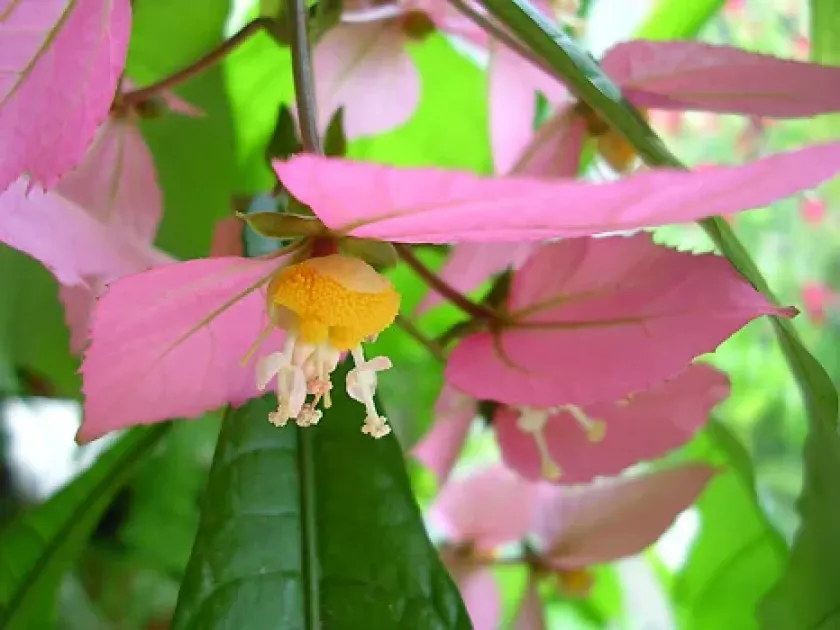
Description
Growing requirements
Dalechampia indica is a tropical perennial plant belonging to the Euphorbiaceae family, widely known for its unique botanical structure and specific growth requirements native to Asian and African regions.
For successful development, this crop demands stable tropical conditions with an ambient temperature range of 22 to 28 degrees Celsius, avoiding any significant cold stress throughout the year.
Soil requirements involve a well-structured, loamy substrate with excellent drainage properties to prevent root asphyxiation, a common issue for this species in heavy soil conditions.
This plant thrives in bright, filtered light environments, making it highly dependent on the quality of light management during the active growing season to ensure robust stem development.
Water management is essential, requiring a consistent supply of moisture to maintain high humidity levels around the foliage while ensuring the growing medium never remains waterlogged.
Main diseases and pests
The primary pest threats to Dalechampia indica include spider mites, which typically thrive in low-humidity environments and can rapidly degrade the plant's ornamental and physiological state.
Mealybugs represent another significant concern, often aggregating in leaf axils and stems, leading to stunted growth and the potential transmission of secondary viral or bacterial infections.
Pathogenic fungi, such as those causing root rot or powdery mildew, are the most common diseases, often triggered by excessive soil moisture and poor airflow within the planting area.
Integrated pest management (IPM) strategies, including the use of neem oil or targeted biopesticides, are recommended to control pest populations without disrupting the plant's delicate metabolism.
Sanitation practices, such as removing debris and ensuring proper spacing between plants, are vital to reducing the inoculum pressure of soil-borne pathogens in commercial settings.