
Dalechampia spathulata
Dalechampia spathulata
Description
Growing requirements
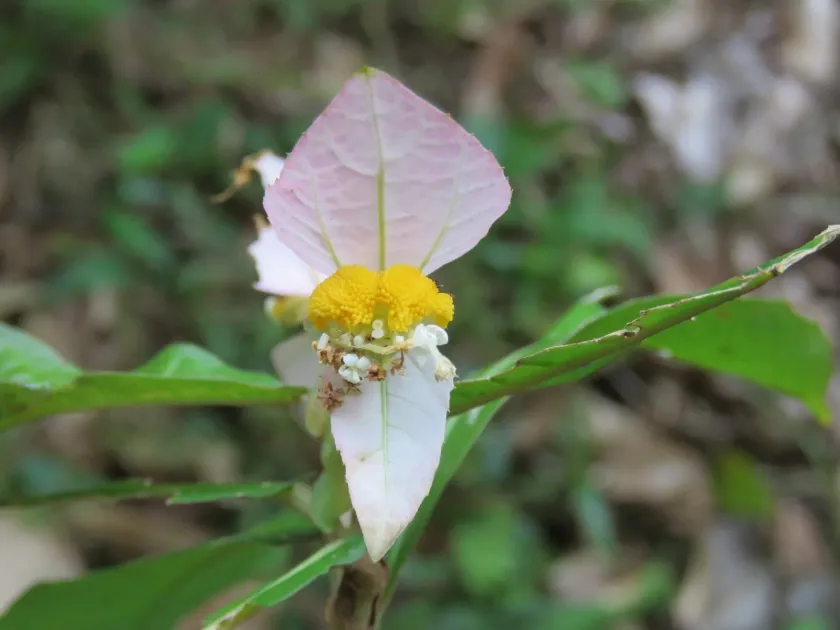
Dalechampia spathulata is an ornamental climbing plant belonging to the Euphorbiaceae family. Originating from the tropical regions of Central and South America, it thrives in warm, humid environments.
This species is highly valued for its unique inflorescences, which feature prominent bracts. In an agricultural or greenhouse context, it requires a consistent temperature range between 20°C and 25°C to maintain vigorous growth.
The ideal growing medium must be highly porous and rich in organic matter. Proper drainage is essential to avoid waterlogging, which the plant is highly sensitive to due to its root structure typical of the Spurge family.
Regarding light requirements, the plant prefers bright, filtered sunlight. Excessive direct exposure can lead to leaf scorching, while insufficient light hinders the development of its characteristic bracts.
Regular maintenance involves light pruning to manage the length of the vines and promote branching. Balanced NPK fertilizers should be applied monthly during the growing season to ensure nutrient availability.
Main diseases and pests
Common pests affecting Dalechampia spathulata include spider mites and whiteflies, which thrive in typical greenhouse conditions. Vigilant monitoring is required to prevent widespread infestation.
Fungal pathogens such as mildew and root rot represent significant threats if the humidity levels are poorly managed. Ensuring adequate spacing between plants significantly mitigates these risks.
To control pest populations, biological control methods or selective systemic insecticides are often employed. It is crucial to strictly follow safety protocols when applying any chemical treatment.
Sanitation practices, such as removing fallen leaves and cleaning containers, play a vital role in disease prevention. Preventing the accumulation of debris reduces the source of potential inoculum.
Maintaining a stable environment with good air circulation is the best preventive measure against most common diseases. Proper care prevents the plant from becoming stressed and more susceptible to infections.