
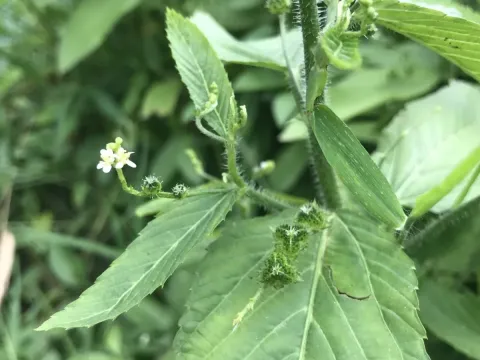
Caperonia
Caperonia
Caperonia, belonging to the Euphorbiaceae family, is a warm-season crop that thrives in tropical environments. Sowing should only occur when soil temperatures are consistently high, as the seeds are highly sensitive to cold-induced dormancy.
What the section contains

Caperonia
For optimal results, seeds should be sown in prepared, well-draining soil at a shallow depth of approximately 1–2 centimeters. This depth ensures that the seedlings have enough energy to emerge while receiving sufficient moisture.
In regions with shorter growing seasons, starting Caperonia in a greenhouse or nursery is recommended. This practice allows for a head start, ensuring the plants are well-established before being transplanted into the main field.
Proper spacing is essential to prevent overcrowding, which can lead to poor air circulation and disease outbreaks. A spacing of at least 30–45 centimeters between rows allows for adequate growth and simplifies mechanical weeding processes.
Initial irrigation is critical immediately after sowing. Keeping the seedbed moist without flooding it allows for uniform germination, which is the foundation of a successful and predictable crop harvest.
As a moisture-loving plant, Caperonia requires a consistent water supply to reach its full potential. It is particularly well-suited for areas where soil moisture levels are naturally high or can be managed through effective irrigation systems.
The plant prefers fertile, nutrient-rich soils with a slightly acidic to neutral pH. Soil structure should be loose enough to support root expansion, but capable of holding moisture to prevent wilting during peak transpiration hours.
High temperatures are a prerequisite for Caperonia's growth. The plant thrives in tropical conditions where the mean temperature stays above 20°C, as this supports rapid vegetative development and leaf production.
Solar radiation is a significant factor in the plant's photosynthetic rate. Caperonia requires full sun exposure for the majority of the day to synthesize enough energy for biomass accumulation and flowering.
Nitrogen management is important for this species. Given its propensity for vegetative growth, applications of nitrogen-rich fertilizers during the early vegetative stage can significantly increase the final yield of plant tissue.
Fungal diseases, including downy mildew and leaf spots, pose the greatest threat to Caperonia, especially in dense plantings where moisture remains trapped on the foliage for extended periods.
Pests such as aphids and spider mites are common in the regions where this crop grows. These insects pierce the leaves and stems to feed, often leading to reduced growth vigor and secondary viral infections.
Root rot is a major risk factor, typically caused by improper drainage combined with excessive irrigation. Maintaining a balance between soil moisture and oxygen content is vital to protecting the root system.
Integrated pest management (IPM) is strongly encouraged to control populations of harmful insects without relying exclusively on harsh chemicals, which can disturb the local ecological balance.
Proper sanitation, including the removal of infected plant material and debris at the end of the season, is the most effective strategy to prevent the buildup of pathogens in the soil for the subsequent planting cycle.