
Caperonia fistulosa
Caperonia fistulosa
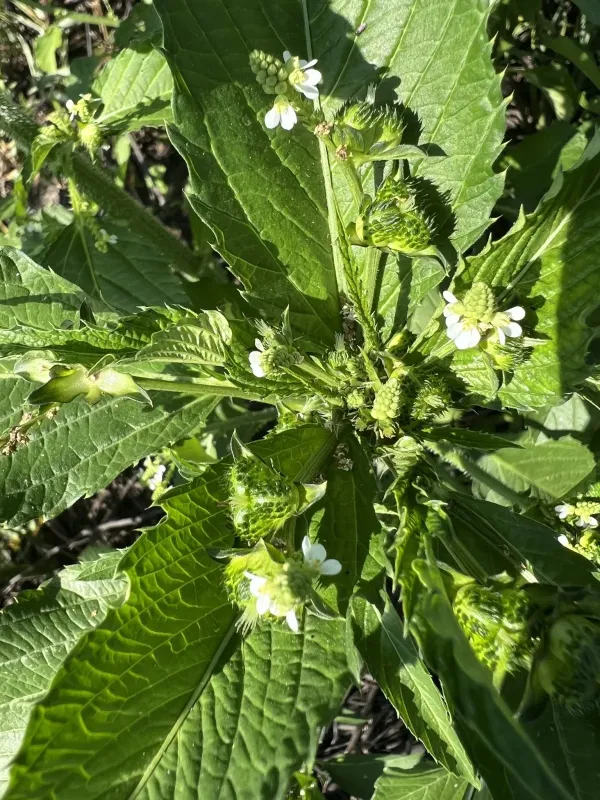
Description
Growing requirements
Caperonia fistulosa is a plant species belonging to the family Euphorbiaceae. It is recognized for its preference for wetland ecosystems and its ability to thrive in tropical and subtropical environmental conditions.
The native distribution of this species is concentrated in the tropical regions of the Americas. Over time, it has established itself in various marshy habitats where it acts as a significant component of the local vegetation cover.
Botanically, the plant is characterized by its distinct erect growth habit and specialized physiological adaptations that allow it to process water efficiently. Its leaves are typically alternate, and the plant exhibits unique floral structures common to its family.
Climatic requirements are strictly tropical, necessitating high humidity and consistent temperatures. The species does not tolerate frost and prefers regions where the average daily temperature remains above 20 degrees Celsius throughout the growing period.
Regarding soil, the plant requires organic-rich, poorly drained to moist substrates. It is particularly sensitive to soil compaction, which can inhibit its root development and reduce overall biomass production during the season.
Main diseases and pests
Diseases primarily include fungal root rots and leaf spots, which are exacerbated by high humidity and lack of air circulation. Maintaining proper spacing between plants is essential to reduce the risk of pathogen transmission.
Pest threats include mites and various hemipteran insects that pierce the foliage to feed on sap. These pests can severely weaken the plant if left uncontrolled, leading to poor yield and stunted maturation.
Competition from aggressive aquatic weeds can significantly hinder the establishment of Caperonia fistulosa. Integrated weed management strategies, including manual or light mechanical control, are recommended during early growth stages.
Environmental stress, such as extreme water stagnation combined with anaerobic conditions, can lead to physiological decline. Ensuring balanced soil aeration through proper drainage management is a critical preventive measure.
Effective management requires a proactive approach to scouting for pests and diseases. Utilizing disease-resistant cultivars and healthy planting material are the most effective ways to ensure sustainable production cycles.