
Baliospermum
Baliospermum
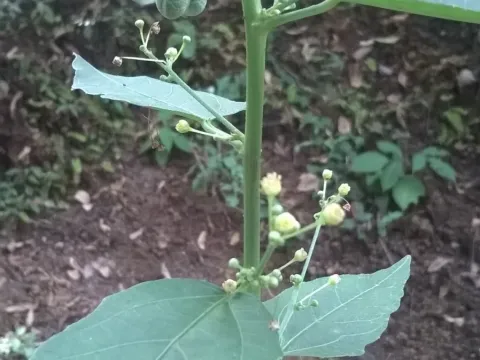
Baliospermum is a genus of shrubs belonging to the Euphorbiaceae family. Native to tropical regions of Asia, particularly India and the Himalayas, it is primarily valued for its pharmacological properties, specifically its role in traditional medicinal systems.
What the section contains


Baliospermum
The plant thrives in warm, humid climates with consistent temperatures throughout the year. It requires well-drained, nutrient-rich soil to prevent root rot. Heavy, compacted soils should be avoided or amended with organic matter to improve soil aeration and structure.
In terms of light exposure, Baliospermum prefers partial shade or dappled sunlight. Full exposure to intense tropical sun can damage the foliage and dehydrate the plant, making it essential to provide canopy cover or artificial shading in cultivation sites.
Botanically, it is characterized by simple leaves and small flowers arranged in racemes. Successful cultivation requires a deep, friable soil layer to accommodate its developing root system, which is the primary part harvested for commercial pharmaceutical extraction.
The agronomic management of this crop focuses on maintaining steady moisture levels without causing waterlogging. Irrigation must be carefully monitored, especially during the establishment phase, to ensure the plant builds a robust and healthy root biomass.
Root rot is the most significant threat to Baliospermum, typically caused by poor drainage or excessive irrigation. This fungal condition can rapidly destroy the crop, making proper site selection and soil preparation vital agronomic steps.
Pests such as spider mites and aphids are common in tropical agricultural settings. These insects can significantly weaken the plants by sucking sap from the leaves, requiring regular monitoring and early intervention with biological control agents.
Powdery mildew may occur if the planting density is too high or if air circulation is insufficient within the plantation. Pruning and spacing are critical cultural practices that help minimize the risk of such fungal foliage infections.
Nematodes represent a specific threat to the roots, which can diminish the quality and yield of the harvestable product. Implementing crop rotation cycles helps manage soil health and reduces the pressure from these subsurface pests.
Defoliating insects can occasionally cause damage to the leaf biomass. Integrated pest management strategies, emphasizing the use of natural predators and botanical insecticides, are recommended to preserve the integrity of the plant for its intended medicinal use.