
Baliospermum calycinum
Baliospermum calycinum
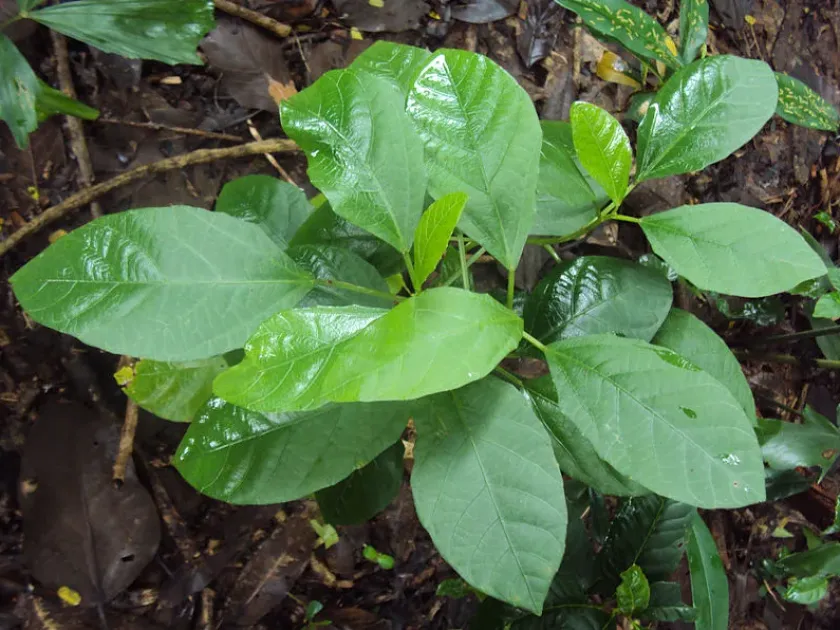
Description
Sowing dates
Sowing Baliospermum calycinum requires warm, tropical-like conditions, with soil temperatures ideally maintained between 22 and 25 degrees Celsius.
Seeds should be planted in a light, well-draining substrate to prevent premature rotting and ensure optimal oxygen supply for germination.
Early spring is the best time for planting, allowing the seedlings to establish a strong root system before the peak summer heat occurs.
Consistent moisture levels are critical during the germination phase, though the soil should never be waterlogged during this delicate stage.
Using a greenhouse or indoor seed trays is recommended to maintain the consistent climate required for successful seedling emergence.
Growing requirements
Baliospermum calycinum is a shrubby member of the Euphorbiaceae family, naturally found in the tropical regions of Southeast Asia.
The plant thrives in fertile, loamy soils that are rich in organic matter and have an acidic to neutral pH profile for nutrient uptake.
It requires high humidity and filtered sunlight, as intense direct rays can desiccate the foliage and stunt the overall plant growth.
Regular fertilization with balanced NPK formulas is necessary to support the plant's structural development and leaf production.
Adequate spacing is required in agricultural settings to facilitate airflow and reduce the humidity-related stress on the lower foliage.
Main diseases and pests
Spider mites are a common threat, especially in environments where humidity levels are allowed to drop significantly below the required threshold.
Root rot is a major risk factor if the irrigation system does not account for adequate drainage or if the soil lacks proper structure.
Powdery mildew can frequently affect the leaves if the plant density is too high, leading to insufficient air circulation within the canopy.
Scale insects and whiteflies may colonize the stems, sucking essential sap and causing the plant to lose its vigor and overall health.
Management strategies involve keeping the surrounding area clear of weeds and using targeted biological control agents to keep pests at bay.