
Baetica spurge
Euphorbia baetica
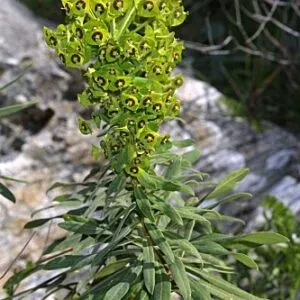
Description
Growing requirements
Baetica spurge (Euphorbia baetica) is a member of the diverse Euphorbiaceae family. It is a perennial herbaceous plant known for its physiological adaptation to arid and semi-arid environments.
Native to the Iberian Peninsula, specifically southern Spain and Portugal, this species is well-suited for regions with Mediterranean climatic patterns characterized by long, dry summers.
Botanically, it displays the characteristic features of the genus, including a milky latex and cyathia-type inflorescences. Its foliage is often narrow, which aids in reducing transpirational water loss.
The plant requires well-drained soil types, such as sandy or rocky substrates. It thrives in soils with an alkaline or neutral pH, making it unsuitable for heavy, acidic, or waterlogged lands.
Agrotechnically, Euphorbia baetica is valued for its hardiness. It does not demand frequent irrigation, making it an excellent candidate for xeriscaping or agricultural diversification in drought-prone areas.
Main diseases and pests
The primary threats to the health of Baetica spurge include soil-borne fungal pathogens. Diseases such as root rot frequently appear if the soil moisture levels exceed the plant's natural tolerance.
Common insect pests include aphids and spider mites. These pests thrive during periods of drought stress, as the plant becomes more vulnerable and less capable of mounting a defense against sucking insects.
Preventative care is critical in managing these threats. Ensuring optimal spacing between plants facilitates airflow, which significantly reduces the risk of foliar fungal outbreaks.
Monitoring for signs of wilting or discoloration in the foliage is the best way to catch early pest infestations. Integrated pest management should prioritize biological controls to preserve soil health.
Cultivators must avoid excessive fertilizing, as high nitrogen levels can promote succulent but weak tissue growth, making the plant more susceptible to both environmental stress and pest attacks.