
Menziesia pilosa
Menziesia pilosa
Description
Growing requirements
Menziesia pilosa is a deciduous shrub native to the mountainous regions of North America, particularly the Appalachian range. It belongs to the Ericaceae family, sharing similar growth habits and requirements with other members of this group, such as rhododendrons.
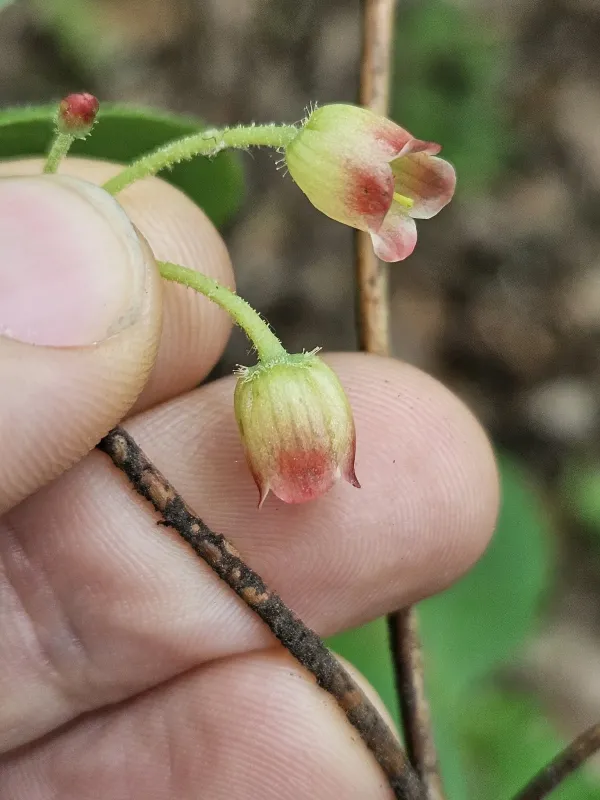
The plant is botanically noted for its hairy young shoots and leaves, which give it a distinct texture. Its flowers are typically bell-shaped and appear in muted yellow or greenish tones, adding a subtle elegance to the garden landscape during the blooming season.
Regarding soil requirements, this species demands a highly acidic, well-draining, and organic-rich medium. It is an obligate acidophile; therefore, planting in neutral or alkaline soil will inevitably lead to nutrient deficiencies, specifically iron chlorosis.
Climate preferences for Menziesia pilosa include cool, humid conditions with protection from the harsh afternoon sun. It thrives best in partial shade, mimicking its native habitat where it grows as an understory shrub in moist forests.
In ornamental horticulture, it is considered a collector's plant. It is primarily used in specialized ericaceous borders or woodland gardens where environmental conditions can be strictly controlled to meet its specific biological needs.
Main diseases and pests
Root rot is the most significant threat to this culture, primarily caused by waterlogged soil. Proper site selection and the installation of a drainage layer are essential during the planting process to prevent fungal outbreaks.
Spider mites are the most common pests, particularly during hot and dry summer spells. These pests damage the foliage, leading to discoloration and premature leaf drop if not managed with appropriate miticides or cultural methods.
Nutritional stress is a common issue for this shrub. Lack of necessary acidity triggers symptoms of chlorosis, which requires immediate intervention with chelated micronutrients and acid-based fertilizers to restore plant health.
Frost damage can occur in exposed locations, though the plant is generally hardy. Applying a thick layer of pine bark mulch helps regulate soil temperature, preserve moisture, and maintain the necessary acidity level around the root zone.
Regular monitoring for pests and diseases is recommended for optimal plant vigor. By keeping the root zone consistently moist but not waterlogged, gardeners can effectively prevent the majority of health issues associated with this delicate shrub.