
Menziesia multiflora
Menziesia multiflora
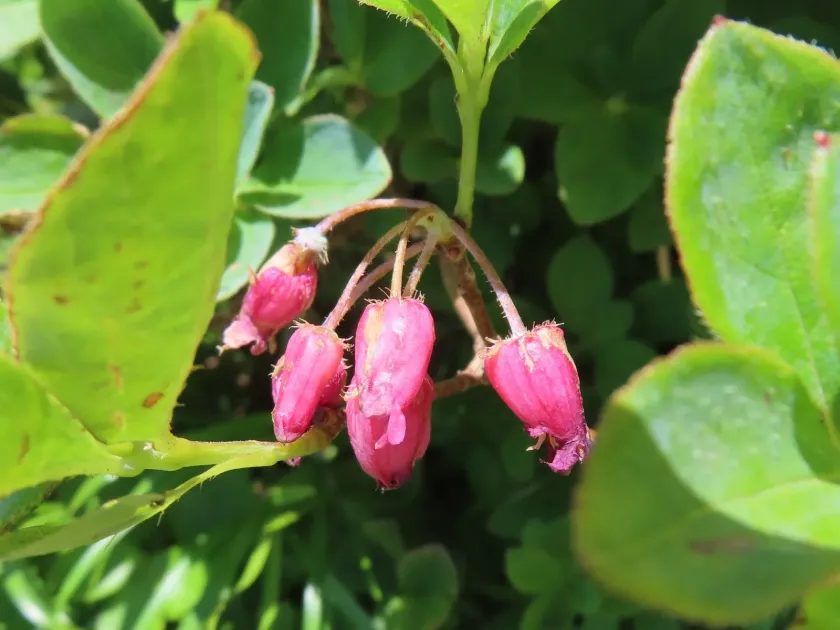
Description
Growing requirements
Menziesia multiflora is a deciduous flowering shrub belonging to the Ericaceae family. It is native to the mountainous forest regions of Japan, where it thrives in cool, moist, and shady environments typical of high-altitude forest understories.
The cultural requirement for this plant is strictly acidic soil with a pH range between 4.5 and 5.5. A well-draining soil mix enriched with decomposed organic matter, such as peat moss or pine needles, is essential for its survival.
Regarding light conditions, Menziesia multiflora prefers partial shade or dappled light. Exposure to direct afternoon sun can lead to leaf scorching and detrimental water loss, especially in warmer climates where protection is necessary.
Moisture management is a critical aspect of its agrotechnology. The root zone must be kept consistently moist but not waterlogged. Using mulch around the base helps retain ground moisture and keeps the roots cool during the heat of the summer.
In landscaping, this species is highly valued for its elegant form and delicate flowers. It is best used as an accent plant in rock gardens, woodland-style garden beds, or as part of a collection of Ericaceous plants which share similar growing needs.
Main diseases and pests
Root rot caused by Phytophthora species is the most severe threat, typically triggered by poor soil drainage and stagnant water. Proper site selection and soil preparation are the primary defenses against these fungal pathogens.
Spider mites are common pests that thrive on Menziesia multiflora, particularly when humidity levels are low. Maintaining good ambient humidity and regular inspection of the underside of the leaves are crucial preventive measures.
Nutrient deficiencies, particularly iron chlorosis, occur if the soil pH rises above the optimal range. When the soil is not acidic enough, the plant cannot absorb essential micronutrients, leading to yellowing leaves and reduced vigor.
Insects such as vine weevils can cause damage to the root system, potentially weakening the plant significantly. Monitoring the foliage for irregular chewing patterns and inspecting the root ball during transplanting can help manage infestations.
Avoid any use of lime, wood ash, or high-pH fertilizers, as these will quickly kill the plant by altering the soil chemistry. Use specialized acidic fertilizers intended for rhododendrons and azaleas to ensure healthy growth.