
Menziesia pentandra
Menziesia pentandra
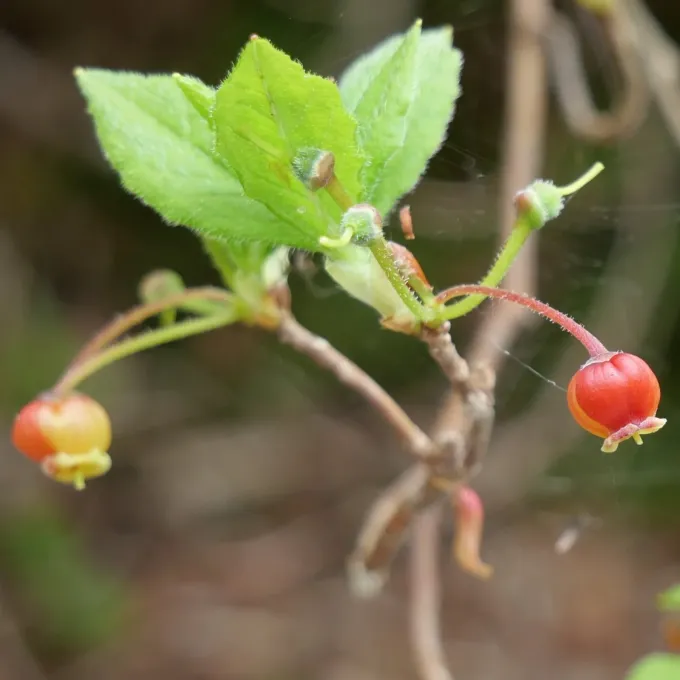
Description
Growing requirements
Menziesia pentandra is a deciduous shrub belonging to the Ericaceae family. As a relative of the rhododendron, it shares the characteristic botanical traits and ecological preferences typical of members within this diverse plant family.
The plant originates from the mountain regions of Japan and other parts of East Asia. Its natural habitat includes woodland margins and rocky slopes, where it thrives in cool temperatures and consistent moisture levels.
Botanically, it is recognized by its slender branches, alternate leaves, and charming, bell-shaped flowers. The shrub typically maintains a compact habit, making it an excellent candidate for specialized ornamental plantings.
Successful cultivation requires an acidic soil environment with a low pH. The substrate must be organic-rich and well-draining, as the root system is highly sensitive to compaction and waterlogging, which often leads to poor health.
The ideal location for Menziesia pentandra is partial shade. Exposure to intense afternoon sun should be avoided to prevent foliar scorch, especially in climates where summer heat can be significant and prolonged.
Main diseases and pests
Like many ericaceous plants, Menziesia pentandra is susceptible to soil-borne pathogens such as Phytophthora. These fungal diseases flourish in poorly drained soils and can cause rapid decline if irrigation management is neglected.
Pests, particularly spider mites, can become an issue during dry, warm periods. Infestations lead to discolored foliage and a general lack of vigor, often necessitating immediate control measures to preserve the aesthetic quality of the shrub.
Nutrient deficiencies often arise if the soil pH shifts toward neutral or alkaline levels. This chemical change inhibits the plant's ability to absorb essential micronutrients, causing chlorosis in the leaves and reduced flowering success.
In landscaping, this species is highly regarded for its delicate structure and suitability for woodland or heather gardens. It provides a subtle textural contrast when planted alongside larger flowering shrubs or evergreen conifers.
Maintenance practices for this crop involve consistent mulching with acidic organic matter. This helps insulate the root zone, maintain the required soil acidity, and suppress weed growth that might otherwise compete for resources.