
Menziesia ciliicalyx
Menziesia ciliicalyx
Description
Growing requirements
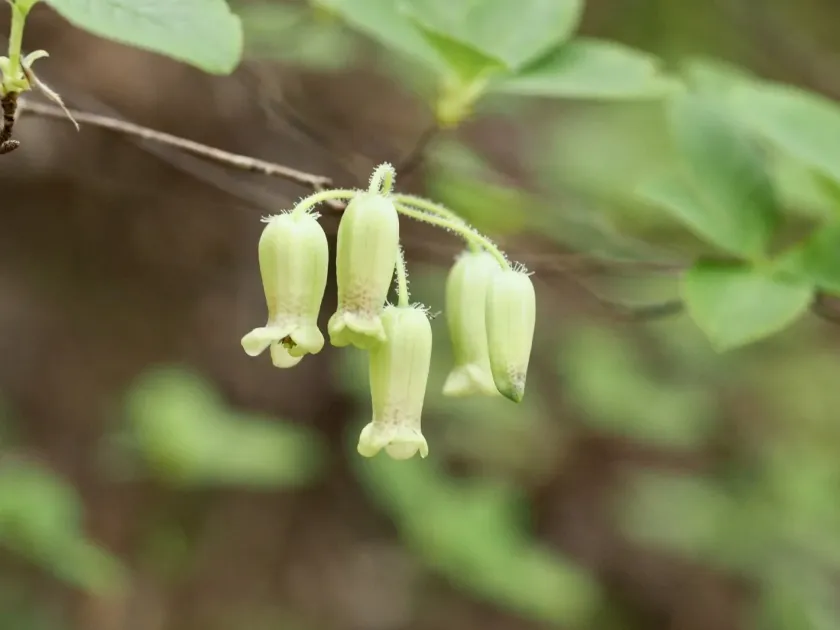
Menziesia ciliicalyx is a deciduous shrub belonging to the Ericaceae family. Originating from the mountainous forests of Japan, this plant is well-known for its elegant, bell-shaped flowers and specific ecological needs that mirror those of rhododendrons and azaleas.
Botanically, the shrub is characterized by its slender branches and foliage with distinctive ciliated edges, which gives the plant its unique texture. It is a slow-growing perennial that provides significant aesthetic value when planted in appropriate garden settings.
The cultivation of this species strictly requires acidic soil with a pH typically ranging between 4.5 and 5.5. A well-drained, organic-rich medium is essential; the root system is sensitive to waterlogging, which necessitates raised planting beds or the addition of composted pine bark.
Climate requirements include a preference for cool, humid environments with partial shade. Intense afternoon sunlight can cause leaf scorching and heat stress, so positioning the plant in areas with filtered light or morning sun is ideal for optimal growth.
In landscaping, Menziesia ciliicalyx is used as a specialty plant for woodland gardens or shade-loving plant displays. Its habit of flowering in late spring or early summer adds a unique visual interest to gardens that prioritize biodiversity and unique species selection.
Main diseases and pests
The primary threats to the health of Menziesia ciliicalyx include soil-borne pathogens and root rot. These issues are almost exclusively linked to overwatering or poorly draining substrates that inhibit oxygen exchange at the root level.
Foliar diseases, such as powdery mildew, may occur during periods of high humidity and poor air circulation. Providing adequate spacing between plants and maintaining a clean environment around the base of the shrub can significantly reduce the risk of infection.
Spider mites represent a major pest risk during hot and dry summer months. These pests thrive on the underside of leaves, causing them to yellow and drop prematurely. Periodic inspection and the use of insecticidal soap are recommended for control.
Iron deficiency, resulting from incorrect soil pH, is a common physiological threat. If the soil becomes too alkaline, the plant will struggle to absorb micronutrients, leading to yellowing between the leaf veins and overall decline in vigor.
Effective management involves mulching with acidic organic material, such as pine needles or peat, to preserve soil moisture and maintain an appropriate nutrient environment. Preventive monitoring is the most effective strategy against both pests and environmental stressors.