
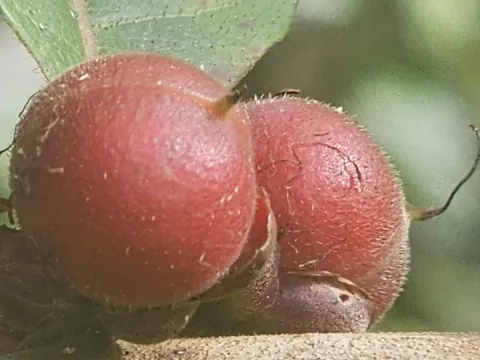
Doliocarpus
Doliocarpus
Doliocarpus is a genus of tropical woody vines that typically requires careful propagation under controlled environment conditions.
What the section contains

Doliocarpus
Seeds should be sown in a high-quality, peat-based substrate that maintains consistent warmth and moisture throughout the germination period.
Temperatures must be kept stable, preferably between 25 and 30 degrees Celsius, to ensure a high germination rate for this tropical species.
Vegetative propagation via semi-hardwood cuttings is frequently used to maintain genetic integrity and ensure the reproduction of desired traits.
Young seedlings require specialized care, including protection from direct sunlight and heavy winds until they establish a strong root system.
As a member of the Dilleniaceae family, Doliocarpus thrives in humid tropical climates and requires high levels of rainfall or irrigation.
The plant demands deep, well-draining soil with a high organic matter content and a slightly acidic pH to support its vigorous growth.
Providing adequate vertical support, such as trellises or companion trees, is essential for the vine to spread its foliage effectively.
Environmental management involves maintaining high air humidity, which mimics the natural forest floor conditions where these plants originate.
Nutrient supplementation with organic fertilizers during the active growing season promotes faster development and higher resilience against stressors.
The yield potential of Doliocarpus is influenced by climatic stability, pollination success, and the specific variety being cultivated.
The fruits serve as an important local food source and provide raw materials for traditional medical applications within their native range.
Successful production relies on manual harvesting techniques to preserve the delicate structure of the fruit and maintain its market quality.
Research into optimizing plant nutrition and pruning techniques shows promise for increasing overall yields in controlled agricultural settings.
Yield estimation remains challenging due to the asynchronous flowering and ripening patterns often observed in tropical forest-dwelling vines.
Fungal pathogens represent the primary threat to Doliocarpus, particularly in high-humidity environments where poor air circulation leads to rot.
Sucking insects, including aphids and spider mites, are common pests that can significantly reduce the vitality of the plant by feeding on leaves.
Root system health is frequently compromised by waterlogging, necessitating strict soil moisture monitoring and effective drainage systems.
Defoliating caterpillars can pose a localized risk during the peak growing season, requiring proactive scouting and biological control methods.
Integrated pest management strategies are highly recommended to balance the need for plant protection with environmental sustainability goals.
Harvesting is a manual process that demands attention to detail, focusing on picking fruits at the precise stage of optimal maturity.
Post-harvest handling must be quick to minimize moisture loss and preserve the internal quality of the fruits for consumption or processing.
Cleaning, grading, and immediate packaging are standard practices to prepare the yield for regional distribution channels.
Storage requires cool, shaded environments to delay spoilage, as the fruit has a limited shelf life once detached from the mother vine.
Efficient logistics are crucial when moving the harvest from the plantation to market to ensure that the produce arrives in excellent condition.