
Bauera
Bauera
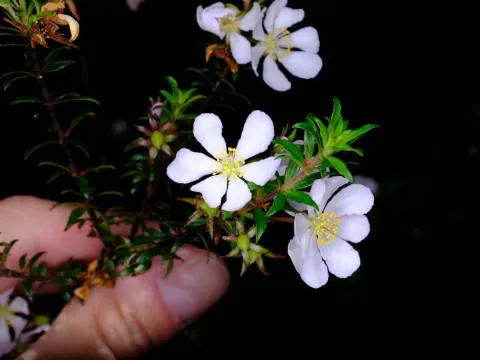
Bauera is a genus of small, evergreen, woody shrubs belonging to the monotypic family Baueraceae (sometimes classified within Cunoniaceae). Native to eastern and southern Australia, these plants are widely recognized for their delicate, rose-like flowers and fine, fern-like foliage.
What the section contains
Bauera
The cultural requirements for Bauera focus primarily on moisture and soil chemistry. They thrive in acidic, well-drained, humus-rich soils. In their natural habitat, they are often found along watercourses or in damp depressions, indicating a preference for consistently moist soil conditions.
Climatically, Bauera plants prefer moderate temperatures and high atmospheric humidity. They are not frost-hardy and struggle in hot, arid environments. In garden settings, they perform best in semi-shaded spots protected from strong, dehydrating winds, which can cause significant damage to the leaves.
Botanically, the plant is characterized by trifoliate leaves arranged in opposite pairs along the stems. The flowers are solitary, emerging from the leaf axils, typically featuring petals in shades of pink, white, or mauve. The shrub exhibits a spreading or rounded habit, making it an excellent choice for ornamental landscaping.
Agricultural management involves regular pruning to maintain a dense, compact form and encourage more prolific flowering. Since they have fine root systems, it is essential to avoid deep soil cultivation that could damage the roots; instead, mulching with organic material is recommended to preserve moisture.
The most significant threat to Bauera cultivation is root rot, typically caused by waterlogged soil conditions. Phytophthora species are the primary pathogens, and once established, they are notoriously difficult to treat, making proper drainage the most important preventive measure.
Pests are generally limited, but in greenhouse environments or indoor settings, spider mites can become an issue. These pests thrive in dry air, causing the leaves to lose their vibrant color and eventually wither if left uncontrolled.
Mealybugs are another potential pest, usually detected by white, cotton-like deposits in the leaf joints. Infestations are best managed by manually removing the pests or using horticultural soaps that do not harm the plant's delicate foliage.
Iron deficiency, or chlorosis, is a common issue when the soil pH is too high. This prevents the plant from absorbing necessary nutrients, leading to yellowing between the leaf veins. Maintaining a low pH with acidic compost or specialized fertilizers is crucial to prevent this condition.
Effective management includes regular inspection of the undersides of leaves and ensuring sufficient airflow. Providing a stable environment with consistent moisture levels is the most effective way to protect the plant from both physiological stress and biotic threats.