
Xerosicyos pubescens
Xerosicyos pubescens
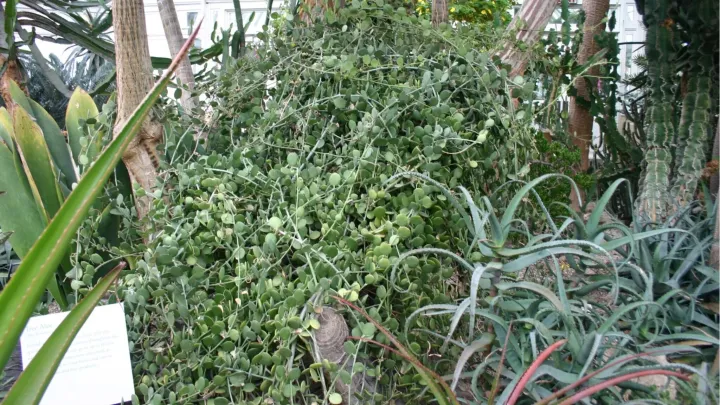
Description
Growing requirements
Xerosicyos pubescens is a distinct succulent species belonging to the Cucurbitaceae family. Unlike many other members of this family, this plant has adapted to survive in arid environments, developing succulent leaves that store significant water reserves.
Originating from Madagascar, this plant thrives in specific microhabitats. Its botanical structure features thick, pubescent (hairy) leaves, which help reduce transpiration rates and protect the plant from intense solar radiation in its natural habitat.
Regarding climatic requirements, the plant demands bright, direct sunlight to maintain its structural integrity. In cultivation, it performs best in temperatures ranging from 20°C to 30°C, mirroring its native sub-tropical environment.
The soil substrate must be highly porous. A typical mix includes coarse sand, pumice, and a small portion of organic matter to facilitate rapid drainage. Any water retention in the root zone for extended periods is detrimental to the plant.
Agrotechnical practices emphasize a cyclical approach to watering. During the active growing season, deep but infrequent watering is essential. Conversely, during the winter dormancy period, the plant requires a dry environment to prevent physiological stress.
Main diseases and pests
The primary threat to Xerosicyos pubescens is fungal infection caused by root hypoxia and excessive moisture. Root rot is a common issue that manifests when soil aeration is insufficient or drainage is blocked.
Pests such as spider mites and mealybugs often attack this plant, especially when it is kept in low-ventilation areas. These pests sap the plant's resources, often leading to stunted growth and visible leaf damage.
Managing these threats requires a proactive monitoring strategy. Using a magnifying glass to check leaf axils periodically allows for early detection of mealybugs before they create significant infestations.
Chemical control should be limited to targeted products that are safe for succulents. Broad-spectrum insecticides can sometimes damage the delicate surface of the leaves, so spot treatment is generally preferred over total plant spraying.
Ultimately, preventative hygiene is the best defense. Ensuring that the plant has adequate air circulation and using only sterilized tools for pruning or propagation are foundational practices for maintaining a healthy specimen.