
Xerosicyos perrieri
Xerosicyos perrieri
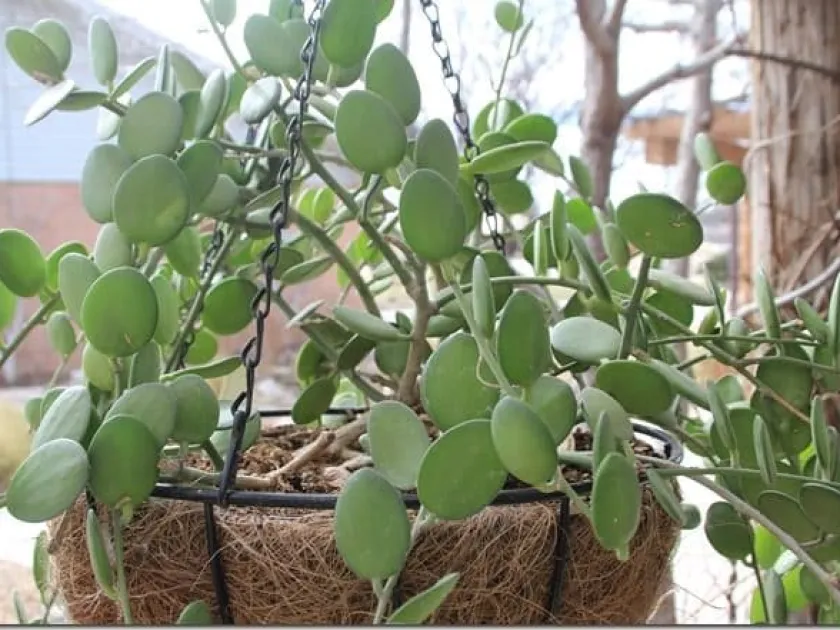
Description
Growing requirements
Xerosicyos perrieri is a fascinating species within the Cucurbitaceae family, known for its unique succulent climbing habit. Native to the island of Madagascar, this plant has evolved to thrive in arid environments with distinct wet and dry seasons.
The plant features thick, rounded succulent leaves capable of water storage and a woody, climbing stem structure. As a drought-adapted crop, it is physiologically optimized to withstand intense solar radiation and minimal rainfall conditions.
Cultivation requires a highly porous, gritty substrate that facilitates rapid drainage. The soil pH should be slightly acidic to neutral, avoiding any heavy peat content that could retain moisture for too long and cause root damage.
Temperature management is crucial, with a preferred range of 22°C to 28°C during the growing season. Winter dormancy is essential, during which temperatures should be reduced to approximately 15°C to mimic the natural climate of its native habitat.
Light intensity should be high, preferably bright indirect sunlight or partial sun. Direct noon sun in extreme climates may require light shading to prevent the succulent tissues from developing stress-related lesions.
Main diseases and pests
The primary threats to Xerosicyos perrieri are related to improper irrigation management, specifically the development of root and stem rot caused by Phytophthora species. Once rot begins in the woody stem, it is extremely difficult to arrest.
Mealybugs are the most common insect pest, tending to hide in the joints between the leaves and the stem. Their feeding weakens the plant and can facilitate secondary bacterial infections within the succulent tissues.
Spider mites can be problematic if the humidity level remains too low for extended periods. They cause yellowing and thinning of the leaves, which reduces the plant's photosynthetic capacity and slows down growth significantly.
Scale insects may attach to the woody parts of the stem, siphoning sap and creating sticky honeydew that leads to the growth of sooty mold. Regular manual cleaning and the use of insecticidal soap are recommended for control.
Monitoring the soil moisture content remains the most effective prophylactic measure against the majority of fungal threats. Proper ventilation is also vital to reduce humidity levels around the plant base and prevent pathogen proliferation.