
Xerosicyos danguyi
Xerosicyos danguyi
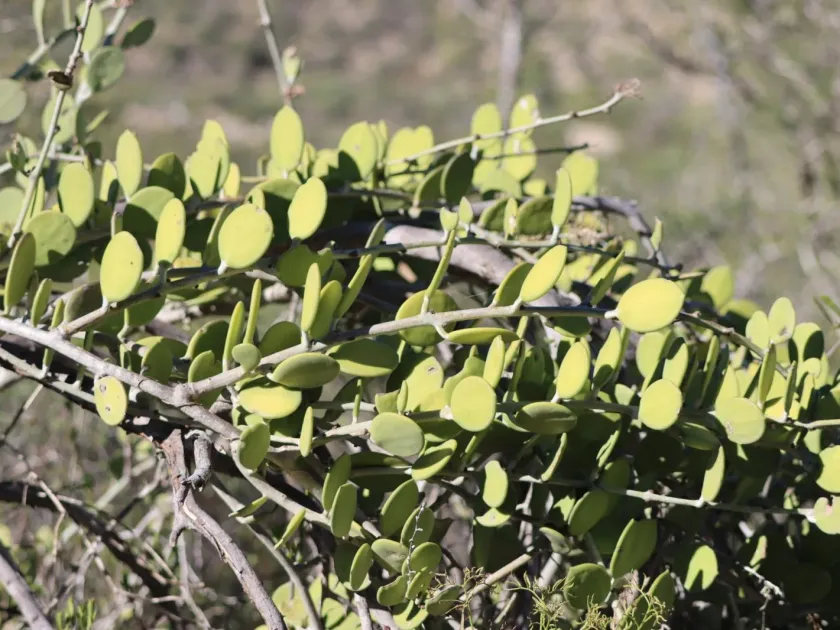
Description
Growing requirements
Xerosicyos danguyi, commonly known as the Silver Dollar Vine, is a fascinating succulent belonging to the Cucurbitaceae family. Unlike most squash or cucumber relatives, this plant has evolved to store moisture in its rounded, coin-shaped leaves.
Native to the dry forests of Madagascar, this species is highly adapted to arid conditions. In its natural habitat, it acts as a climbing plant, using its stems to reach towards light sources while maintaining minimal water loss.
Botanically, the plant features succulent, waxy leaves and slender, flexible stems. It is a slow-growing plant that can reach significant lengths if provided with proper support and growing conditions throughout its lifecycle.
The plant requires bright, indirect sunlight to maintain its unique foliage coloration and structural integrity. Placing it in an environment with high light intensity is crucial, although direct, intense midday sun can sometimes scorch the delicate leaves.
When choosing a growing medium, prioritize drainage above all else. A porous, sandy soil mix specifically designed for succulents is ideal, as it allows excess water to escape rapidly, preventing the root rot that often plagues succulent species.
Main diseases and pests
The primary threat to Xerosicyos danguyi is fungal decay, almost always triggered by improper watering schedules. Over-watering creates an anaerobic environment in the soil, leading to the rapid death of roots and eventual wilting of the stems.
Common household pests such as mealybugs and spider mites are frequent invaders. These insects often hide in the crevices between leaves and stems, sucking the plant's sap and weakening the overall health of the specimen over time.
To control pest outbreaks, inspect the plant bi-weekly. Using a cotton swab dipped in isopropyl alcohol is an effective mechanical method for removing mealybugs, while neem oil sprays can act as a preventative measure against recurring infestations.
Environmental stress, such as poor ventilation, can also lead to the development of powdery mildew. This white, dust-like fungus affects the appearance of the leaves and can compromise photosynthesis if allowed to spread across the plant canopy.
Maintaining a dry rest period during winter is the most effective way to prevent diseases. By reducing irrigation, you align the plant's metabolism with its natural seasonal cycle, ensuring it remains robust and resistant to opportunistic infections.