
Xerosicyos tripartitus
Xerosicyos tripartitus
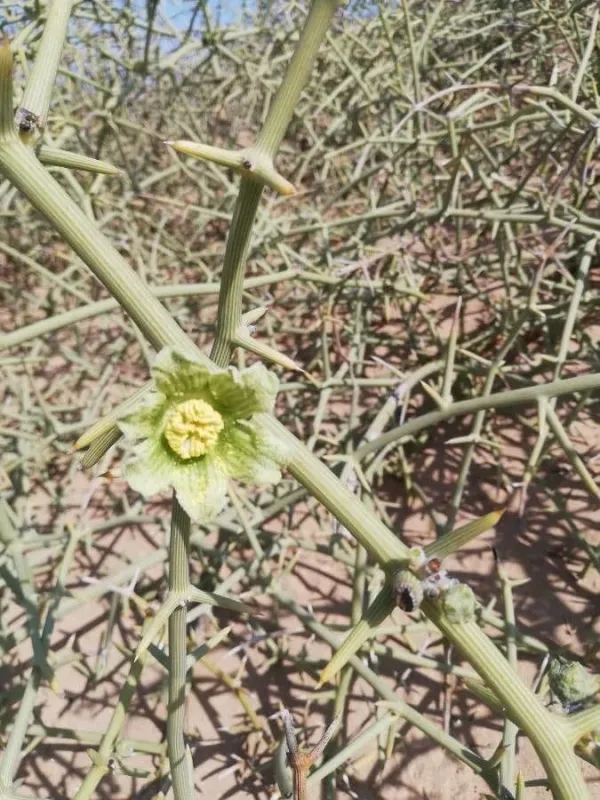
Description
Growing requirements
Xerosicyos tripartitus is a fascinating succulent species within the Cucurbitaceae family. Endemic to the island of Madagascar, this plant has adapted to arid environments by developing highly specialized tissues for water retention.
This species is characterized by its vining growth habit and tripartite leaf structure, which allows it to thrive in nutrient-poor, rocky substrates found in its native habitat. It is a slow-growing plant that requires patience and specific environmental mimicry.
To cultivate Xerosicyos tripartitus successfully, it is essential to provide full sun exposure and a substrate with excellent drainage, preferably a mix of coarse mineral grit and sand. Avoid high-peat content soils, as they retain too much moisture.
The temperature regime should remain warm throughout the year. During the growing season, regular temperatures above 20°C are preferred, while in winter, it can withstand slightly cooler conditions if kept completely dry to prevent chilling injury.
Watering should be approached with caution, following the soak-and-dry method. During the winter dormancy, water must be withheld almost entirely to mimic the dry season of its natural environment and prevent root asphyxiation.
Main diseases and pests
The primary threats to Xerosicyos tripartitus are fungal pathogens, specifically those causing root rot and stem rot, which occur when the substrate remains saturated for prolonged periods.
Pests such as mealybugs and spider mites are frequent adversaries. These pests thrive in indoor conditions, especially if ventilation is poor and humidity levels are inconsistent, weakening the plant's structural integrity.
To manage pests, manual removal is often effective for small infestations. In more severe cases, horticultural oils or systemic insecticides may be used, though care must be taken due to the sensitive nature of the plant's succulent surface.
Cultural prevention is the best defense. This includes maintaining proper airflow, using sterilized soil components, and inspecting the plant regularly for early signs of tissue discolouration or webbing.
If decay is detected, immediate removal of the affected stem section is required. The wound should be allowed to callus over in a dry, shaded area before the plant is returned to its normal position, ensuring the disease does not spread systemically.