
Squirting cucumber
Elaterium gracile
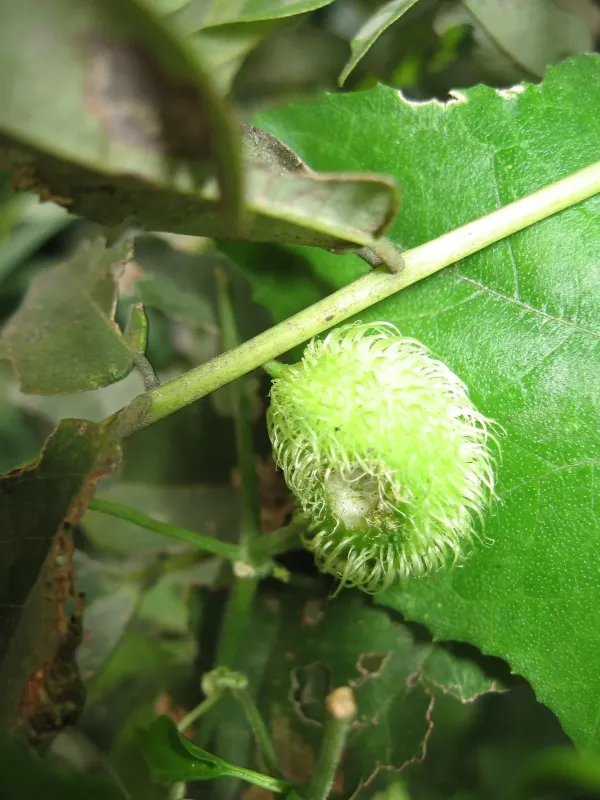
Description
Sowing dates
Sowing of the squirting cucumber (often referred to as Elaterium gracile) in open fields should take place in April or May, once soil temperatures reach at least 15-20 degrees Celsius.
The seeds have strong germination vigor, meaning they do not require complex pretreatment, though a brief soaking can help in faster initial development.
Seeds should be planted at a depth of 3 to 5 centimeters to ensure they remain moist while developing their root system in the early stages.
For greenhouse or container production, start seeds indoors in March using peat pots to prevent root disturbance during the final outdoor transplanting.
Space the plants approximately 50 to 70 centimeters apart to accommodate their aggressive vining habit and ensure adequate air circulation around the foliage.
Growing requirements
As a member of the Cucurbitaceae family, this plant demands high light intensity and performs best in full sun throughout the entire growing season.
It is highly adaptable to various soil types, though it thrives in light, well-draining sandy or loamy soils with good organic matter content.
Maintain a soil pH between 6.0 and 7.5 to ensure the availability of essential nutrients required for vigorous vegetative growth and fruit set.
While moisture is critical during the initial seedling stage, mature plants are remarkably drought-tolerant and prefer not to be overwatered.
Poorly drained or waterlogged soils should be avoided at all costs, as they significantly increase the risk of root pathogens and fungal infections.
Yield
The yield of this species is measured not by edible output, but by its production of seeds for botanical interest or its pharmaceutical potential.
The plant is highly fecund, with a single vine capable of producing a large volume of fruit that facilitates explosive seed dispersal over distance.
Fertilization with a balanced nitrogen-phosphorus mix can enhance the vine's reach and the total count of seed-containing fruits.
For medicinal purposes, the fruit is harvested just before full maturity to preserve the compounds used in historical herbal formulations.
In ornamental landscaping, yield refers to the plant's efficiency in covering trellises, fences, or large garden beds with dense green foliage.
Main diseases and pests
Powdery mildew is the most common fungal issue, appearing as white patches on the leaves when humidity levels remain consistently high.
Pests such as spider mites and melon aphids are frequently encountered during hot, dry summer months and can weaken the vine significantly.
Root rots are the primary threat if soil drainage is compromised, often leading to rapid yellowing and eventual death of the affected plant.
Regular monitoring and the use of preventative fungicidal sprays are recommended to maintain plant health throughout the season.
Crop rotation is essential for this species, as planting cucurbits in the same location repeatedly can lead to a buildup of soil-borne pathogens.
Harvesting
Harvesting requires extreme caution, as the mature fruit is pressurized and will eject a stream of liquid and seeds upon the slightest touch.
Protective clothing, gloves, and eye protection are mandatory to prevent the irritating sap from causing contact dermatitis or eye inflammation.
The optimal time for harvest is early morning, as the fruit structure is slightly more stable before the heat of the day increases internal pressure.
Processed fruits must be handled in a well-ventilated area to avoid inhaling droplets of the sap, which contains potent compounds.
Store harvested fruit materials in clearly marked, secure containers away from all edible crops due to the toxic nature of the plant's extracts.