
Squirting cucumber
Elaterium ciliatum
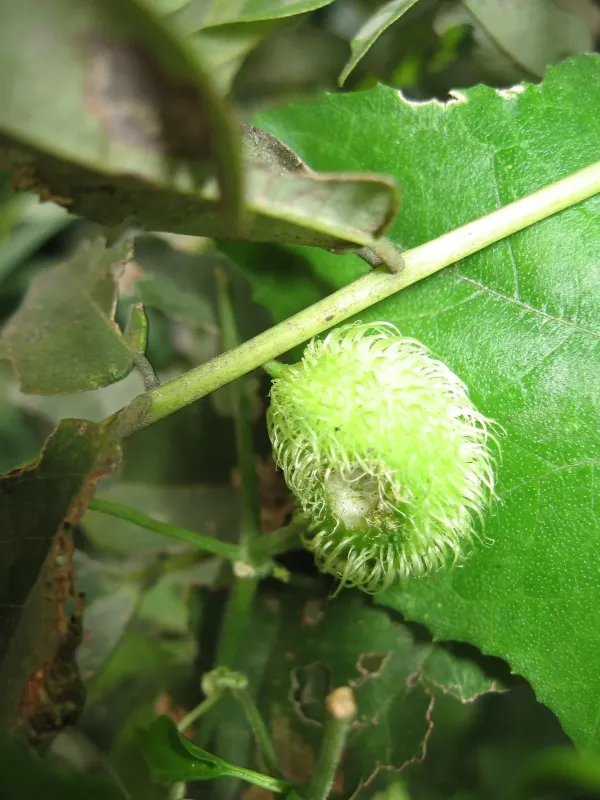
Description
Sowing dates
Sowing the seeds of this crop is best performed in late spring, once the soil has consistently reached a temperature of 15-18 degrees Celsius, ensuring optimal germination.
Seeds should be planted at a depth of 2-3 centimeters in well-prepared soil to protect them from environmental fluctuations during the early stages of development.
In cooler climates, start the seeds indoors in biodegradable pots about a month before the last frost date to ensure the plants have a head start for the season.
Spacing is essential for this robust grower, with at least 80-100 centimeters between plants to allow for proper airflow and to prevent competition for soil nutrients.
Pre-soaking seeds in a mild nutrient solution can enhance germination rates and help the plant establish a strong root system right after transplanting into the field.
Growing requirements
As a member of the Cucurbitaceae family, this plant requires full sun exposure and warm conditions to produce healthy foliage and a successful fruit set throughout the season.
The ideal soil for this crop is well-drained, sandy loam with a balanced pH level between 6.0 and 7.0, which promotes vigorous growth and minimizes the risk of root diseases.
Consistent moisture is needed, especially during the flowering and fruit development stages, but it is critical to avoid waterlogging the soil to prevent rotting.
Protection from strong winds is highly recommended, as the vines are sensitive to mechanical damage and cold drafts, which can stunt the growth of the young shoots.
Organic fertilization, such as mature compost or decomposed manure, should be integrated into the soil during preparation to supply the necessary nutrients for the crop.
Yield
Yield performance is highly dependent on the success of pollination and the maintenance of a stable environment without extreme fluctuations in heat or humidity levels.
The plant produces fruits steadily from mid-summer until the first signs of autumn frost, which marks the end of the active vegetation cycle for this species.
For best results, growers should monitor the number of active vines per square meter to ensure that every plant receives sufficient light for its fruit production needs.
Proper management of the plant density ensures that each specimen reaches its full maturity potential, providing a significant harvest for various practical applications.
Regular maintenance, including weeding and monitoring of fruit development, directly correlates with higher yields and better quality of the harvested biological material.
Main diseases and pests
Common pests like aphids and spider mites can rapidly colonize the leaves, necessitating early detection and the use of targeted biological control agents to mitigate damage.
Powdery mildew represents a major fungal threat in humid conditions, and maintaining proper space between plants is the most effective preventative measure for growers.
Root rot, often associated with excessive irrigation or poor drainage, requires careful management of the water regime to preserve the health of the entire crop population.
Using physical barriers or companion planting can help deter specific agricultural pests without the need for intensive chemical applications that might harm the ecosystem.
Routine inspection of the vine structures allows for early identification of disease symptoms, facilitating quick action and preventing large-scale spread across the field.
Harvesting
Harvesting requires caution and the use of protective gloves, as the plant juices can cause skin irritation, and the fruits have a volatile mechanism of seed dispersal.
Fruits should be harvested carefully by cutting the stem rather than pulling the fruit, which helps in maintaining the integrity of the protective skin of the product.
Timing the harvest is critical; collecting fruits when they reach technical maturity ensures they can be stored and processed safely without accidental rupture.
Storage should occur in a cool, dark, and well-ventilated environment to prevent rapid fermentation and the degradation of the bio-active components within the fruit.
Transporting the harvested goods requires rigid containers that prevent physical pressure on the fruits, ensuring that they reach the facility in pristine condition.