
Stinking Gourd
Momordica foetida
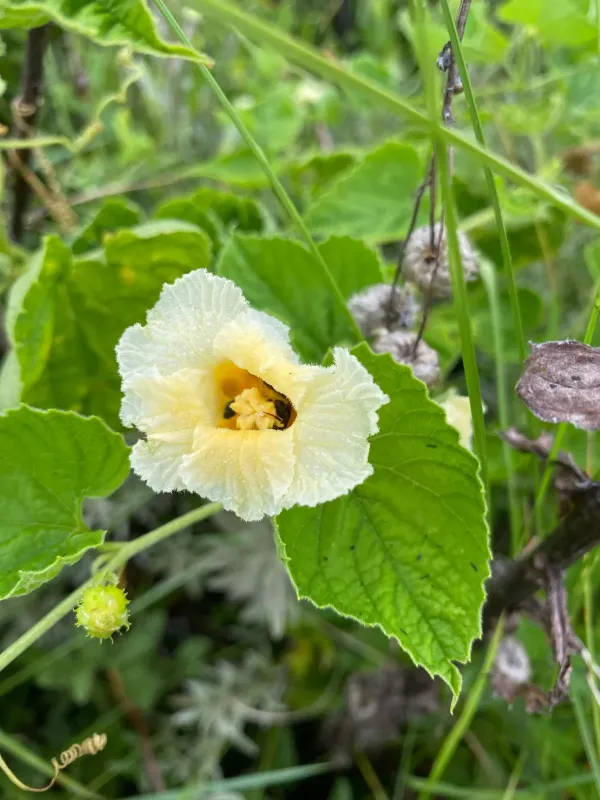
Description
Sowing dates
Momordica foetida is a perennial herbaceous climber belonging to the Cucurbitaceae family. In the natural tropical environments of Africa, planting typically begins at the start of the rainy season to provide seeds with sufficient moisture for successful germination.
When cultivating under controlled conditions, seeds should be sown in nutrient-rich substrate at a depth of 2–3 cm. Maintaining a soil temperature of at least +20°C is essential for proper root system development and initial seedling growth.
The plant exhibits vigorous growth, making it suitable for vertical gardening or cultivation on trellises. Maintaining a distance of at least 1–1.5 meters between planting sites is necessary to ensure adequate air circulation and prevent overcrowding.
To speed up germination, seeds can be scarified or soaked in warm water for 24 hours prior to planting. This practice is beneficial, as the seed coats of the Momordica genus are quite hard and require extra moisture to break dormancy.
Starting plants in seed trays is recommended in regions with shorter growing seasons. Seedlings should be transplanted to their final location only after the danger of frost has passed and stable warm temperatures are established.
Growing requirements
The crop requires full sun exposure and well-drained, fertile soil with a neutral to slightly acidic pH. As the plant is sensitive to waterlogging, ensuring proper drainage on heavier soils is vital to prevent root rot and physiological stress.
An optimal temperature range for vegetative growth is between +22°C and +30°C. Growth slows significantly if temperatures drop below +15°C, and the aerial parts of the plant will quickly perish if exposed to frost or freezing conditions.
Regular irrigation is essential, particularly during the flowering and fruit-setting stages. However, overhead watering should be avoided to keep leaves dry, as high humidity on foliage significantly increases the risk of fungal infections.
Soil preparation should involve incorporating organic matter like well-rotted manure or compost before the season starts. Throughout the growth cycle, the plant responds well to balanced mineral fertilizers applied to boost overall yield.
Because of its climbing habit, the plant needs sturdy supports such as nets or wire frames. Proper trellising ensures that vines are evenly distributed, improving light penetration and airflow, which promotes uniform fruit ripening.
Yield
The yield of Momordica foetida depends heavily on successful pollination. As it is a cross-pollinating species, the presence of bees and other pollinators in the vicinity is crucial for achieving high fruit set and optimal harvest volume.
Fruits are oval-shaped and turn bright orange or red upon maturity. Growers must monitor the plants closely, as ripe fruits tend to split and release seeds, which can lead to significant post-harvest losses if not collected in time.
In various African cultures, young fruits and leaves are traditionally utilized for culinary purposes after specific preparation methods. Additionally, various parts of the plant are highly valued in traditional medicine for their chemical composition.
Under favorable growing conditions and proper moisture management, a single plant can yield between 5 and 10 kg of fruit. Abundant harvests are typically achieved during periods of longer day length and consistent warmth.
Harvesting is usually carried out selectively as fruits reach technical maturity. Due to their high moisture content, fresh fruits have a limited shelf life and should be consumed shortly after picking or preserved through drying methods.
Main diseases and pests
Spider mites are the most significant pest, especially in low-humidity conditions. Regular misting or the application of appropriate acaricides can help manage mite populations before they cause severe damage to the foliage.
Aphids often target young shoots and flower buds, extracting plant sap and potentially transmitting viral diseases. Early detection through regular monitoring of the underside of leaves allows for timely intervention and pest control.
Powdery mildew is a common fungal issue that arises in overcrowded plantings with poor ventilation. Preventive measures include regular thinning of vines and maintaining clean growing conditions, supplemented by sulfur-based fungicides when necessary.
Root rot can occur if soil remains consistently waterlogged. Maintaining a strict watering schedule and using loose, well-aerated soil substrates are the best defenses against these moisture-related fungal diseases.
Root-knot nematodes present a serious threat to the crop, especially in soil used repeatedly for cucurbits. Implementing crop rotation and avoiding sites previously used for other gourd plants are vital strategies for long-term health.
Harvesting
Fruits should be harvested by hand using pruning shears or a sharp knife to avoid damaging the brittle stems. Care must be taken not to pull forcefully, as this could injure the primary vine or the remaining developing fruit.
The best time to harvest is during the early morning while fruits are still cool, which helps improve their storage quality. After harvesting, fruits should be stored in a shaded, well-ventilated area to prevent premature spoilage.
For seed production, select only the healthiest and largest fruits, allowing them to remain on the vine until they are fully yellow or begin to split. Once extracted, seeds should be washed and dried thoroughly in a dark, airy place.
When collecting leaves for medicinal use, target young, healthy foliage free from pest damage. Leaves can be air-dried in a sheltered, shaded location with good airflow to preserve their integrity and potency.
Transportation of the harvest requires extreme care, as the skin of the fruit is delicate and prone to bruising. Containers should be designed to prevent fruit crushing to ensure that the produce maintains its market value.