
Tapeinochilos
Tapeinochilos
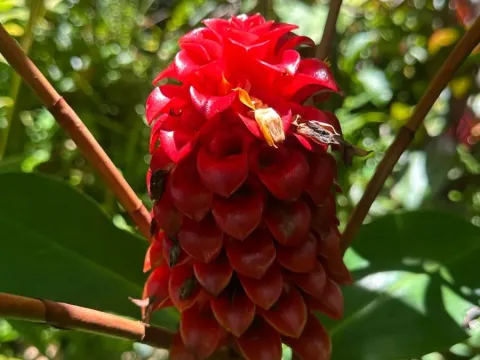
Tapeinochilos is a genus of tropical plants belonging to the Zingiberaceae family, native to the rainforests of Southeast Asia and Northern Australia. These plants are prized for their unique, waxy, and highly durable inflorescences that make them valuable in tropical landscaping.
What the section contains

Tapeinochilos
The culture thrives in environments with high humidity and consistent warmth. To ensure optimal growth, temperatures should be kept within the range of +22°C to +28°C. Cold stress is highly detrimental, as the plant lacks tolerance for temperatures below +15°C.
Soil requirements focus on high organic content and excellent drainage capacity. A mixture of peat, pine bark, and perlite is ideal for mimicking the natural forest floor conditions and preventing the rhizomes from suffering from anaerobic stress.
Light management is crucial, as the plant prefers bright, filtered sunlight. Exposure to direct noon sun can scorch the foliage, leading to necrosis. In a nursery setting, a shading factor of 30–50% is generally recommended for healthy vegetative development.
Consistent moisture levels are essential, but the substrate must never become waterlogged. During the peak growing season, the plant requires regular fertilization with high-nitrogen liquid fertilizers to support its rapid development and flower production.
Primary plant threats include fungal pathogens such as Pythium and Fusarium, which target the rhizome system. Maintaining proper airflow and sanitation of tools is the most effective defense strategy against these soil-borne threats.
Pest management should focus on common greenhouse insects, specifically spider mites and scale insects. Monitoring the underside of leaves for these pests is essential, as early intervention prevents the need for heavy pesticide applications later in the cycle.