
Chrysobalanus icaco
Chrysobalanus icaco L.
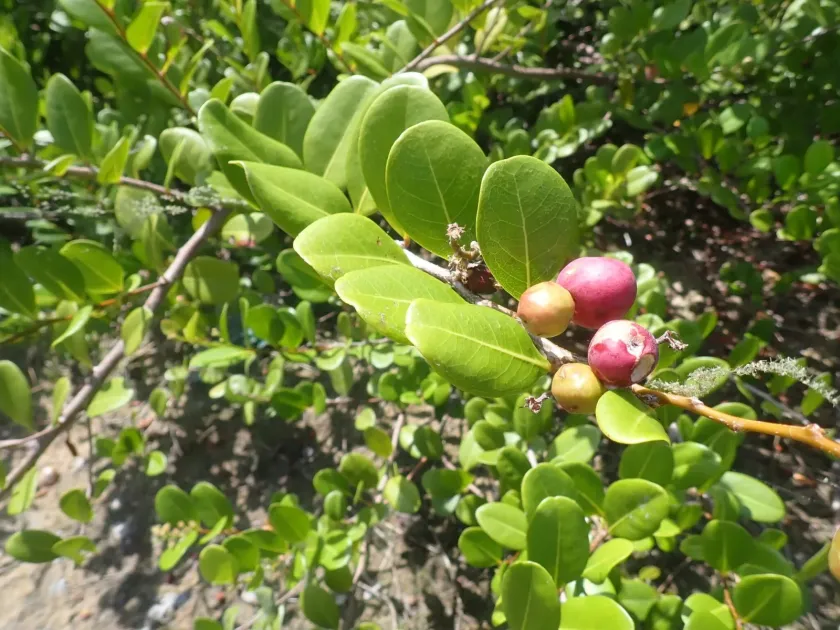
Description
Sowing dates
Propagation of Chrysobalanus icaco is primarily achieved through seeds, which exhibit high germination rates when sown fresh. It is crucial to plant the seeds immediately after extraction from the fruit to prevent the embryo from drying out and losing viability.
For improved germination results, the hard endocarp of the seed can be lightly scarified. The optimal temperature for seedling emergence ranges between 25 and 30 degrees Celsius, provided the substrate remains consistently moist.
Vegetative propagation via cuttings is also an effective method to maintain the specific traits of a mother plant. Cuttings are typically rooted in a well-draining, lightweight medium enriched with perlite or vermiculite.
Young seedlings require partial shade during their first few months of growth to protect them from excessive solar radiation. Once established, they can be gradually acclimated to full sun exposure.
When transplanting to a permanent location, a spacing of 3 to 4 meters between plants is recommended. This allows sufficient room for the development of a wide, dense canopy and an extensive root system.
Growing requirements
Belonging to the Chrysobalanaceae family, the cocoa plum is a quintessential species of tropical coastal ecosystems. The plant is perfectly adapted to high atmospheric humidity and warm, frost-free climates.
Chrysobalanus icaco is remarkably versatile regarding soil types, thriving in sandy beach dunes, rocky substrates, or heavier clay soils. Its exceptional tolerance to salt spray and soil salinity makes it an ideal plant for coastal landscaping and reclamation.
Full sun exposure is necessary for the plant to achieve its maximum productive potential. While it can survive in shaded environments, such conditions lead to stunted growth and significantly reduced fruit yield.
The species displays high resilience to environmental stressors, including prolonged drought and temporary waterlogging. This adaptability is rooted in its evolution within fluctuating coastal environments.
Supplemental irrigation is beneficial during the early establishment phase, but mature plants develop a deep root system that makes them highly self-sufficient in terms of water uptake.
Yield
The fruit of the cocoa plum is known for its distinct, mild sweetness and delicate texture, which is often likened to coconut flesh. A healthy, mature bush can produce a substantial harvest when properly maintained.
The fruiting season is prolonged, as individual fruits do not ripen simultaneously. This allows for selective harvesting over several weeks, providing a consistent supply for fresh consumption or processing.
Fruits are commonly eaten raw, but they are also highly valued for making jams, jellies, and preserved desserts. The flavor profile often features subtle hints of coconut and apple, making it a unique culinary ingredient.
The seeds within the fruit are edible as well, containing rich oils that can be utilized. They are often roasted or used in various local traditional dishes, functioning similarly to nuts or legumes.
Yield varies by variety, as there are different types of cocoa plum displaying fruit colors ranging from pale cream to deep purple, each with slightly different taste profiles and flesh consistency.
Main diseases and pests
Common pests include scale insects and mealybugs, which tend to infest the underside of leaves and young stems. These insects weaken the plant by feeding on its sap, potentially leading to stunted growth.
Fungal leaf spot diseases may occur in areas with poor airflow and high humidity. Regular pruning is a key agrotechnical measure to improve canopy aeration and mitigate the risk of pathogen development.
Insecticide use should be minimized, particularly during the fruiting season. Biological control methods, such as the introduction of predatory insects, are highly effective in managing pest populations on smaller farms.
Ants frequently form colonies on the bushes, which often correlates with the presence of sap-sucking pests. Controlling ant nests in the root zone is an essential part of an integrated pest management strategy.
Ensuring proper drainage is the best defense against root diseases. Standing water should be avoided to prevent root rot and other moisture-related ailments common in tropical horticulture.
Harvesting
Harvesting is performed manually to ensure the delicate fruits are not damaged. Maturity is indicated by a deep, uniform color change and a slight softening of the skin, signaling that the sugar content is at its peak.
Care must be taken during the collection process to avoid bruising, as damaged fruits deteriorate rapidly. The use of soft containers or padded crates is recommended to maintain fruit quality.
The best time for harvesting is early morning, as the cooler temperatures help maintain the freshness of the fruit post-harvest. This practice significantly improves the shelf life for market distribution.
Once harvested, fruits should be sorted by ripeness. Firmer fruits are typically directed toward processing for preserves, while softer fruits are best suited for immediate local consumption.
Chrysobalanus icaco remains a valued niche crop for local markets, where demand for unique tropical fruits with distinct flavor profiles continues to grow among culinary enthusiasts.