
Edible Acioa
Acioa edulis
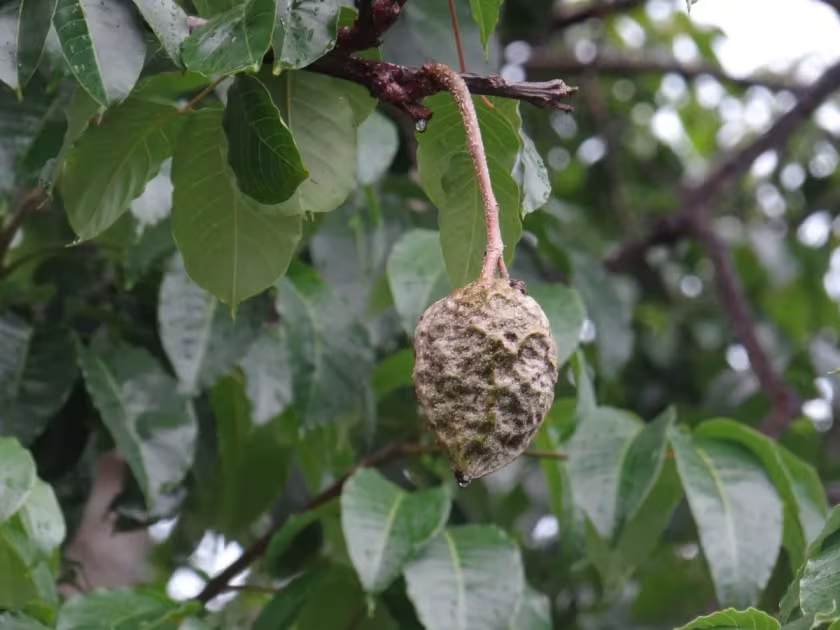
Description
Growing requirements
Edible Acioa (Acioa edulis) is a woody species belonging to the Chrysobalanaceae family. Originating from the Amazon basin, it is a plant well-adapted to the specific challenges of the tropical rainforest environment.
The plant requires a strictly tropical climate with consistent temperatures and high humidity levels throughout the year. It does not tolerate frost or prolonged drought, which can lead to plant stress or death.
When selecting a site for planting, it is essential to ensure well-drained, nutrient-rich soil. The plant thrives in environments that provide consistent moisture but avoid waterlogging, which could cause root rot.
Light management is crucial; while the plant can tolerate partial shade, optimal fruit production is generally achieved when the canopy has access to sufficient indirect sunlight.
In agricultural practice, the tree is primarily utilized for its seeds and fruits, which are highly valued by local communities for their nutritional content, particularly their healthy fats and proteins.
Main diseases and pests
Like many species in its native habitat, Edible Acioa is susceptible to various fungal pathogens. High ambient humidity promotes the growth of these fungi, necessitating regular monitoring of leaves and stems.
Insect pests, including leaf-miners and various types of wood-boring beetles, pose a potential threat to the structural integrity and health of the tree.
Fruit-consuming insects present a significant risk to productivity, as they can damage the developing seeds before harvest, resulting in lower total yield for the growers.
To mitigate these threats, growers should maintain adequate spacing between trees to improve airflow and reduce the humidity pockets that favor pathogen reproduction.
Integrated pest management strategies focusing on biological control are highly recommended to prevent potential damage while ensuring the harvest remains suitable for human consumption.