
Perrottetia
Perrottetia
Perrottetia is a genus of evergreen shrubs and small trees within the Celastraceae family. Native primarily to the tropical regions of the Americas and parts of Southeast Asia, these plants occupy the understory of dense forests, thriving in humid and shaded environments.
What the section contains
Perrottetia
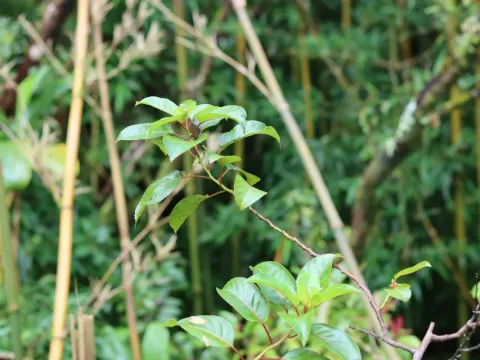
The plants are characterized by simple, alternate leaves with serrated margins, often possessing distinct venation patterns. Their small, inconspicuous flowers typically grow in axillary inflorescences, producing small berries that serve as a source of nutrition for local avian populations in their native habitat.
Regarding environmental needs, Perrottetia species demand consistently moist soil and high atmospheric humidity to maintain healthy growth. They are sensitive to intense, direct sunlight, which can scorch the foliage; therefore, they require shaded or filtered light conditions to mimic their natural forest floor environment.
Soil quality is crucial for these plants, requiring nutrient-rich substrates with high organic content. Effective drainage is vital, as the root system is prone to damage when exposed to stagnant water conditions. A neutral or slightly acidic soil pH is generally considered ideal for optimal development.
While not a major commercial agricultural commodity, the genus holds interest for niche horticultural markets and biodiversity conservation studies. Cultivation techniques focus on mimicking tropical forest conditions, emphasizing steady temperature levels and protection from extreme weather fluctuations.
The primary threats to Perrottetia plants in cultivation are fungal infections linked to poor ventilation and excessive moisture. Root rot is particularly common when planting in heavy or improperly drained soil, which can rapidly jeopardize the health of the entire plant.
Common pests include spider mites and scale insects, which often thrive in indoor or protected environments. These pests feed on the sap of the leaves and stems, leading to yellowing and premature leaf drop. Routine inspection and maintenance of humidity levels are the best preventive strategies.