
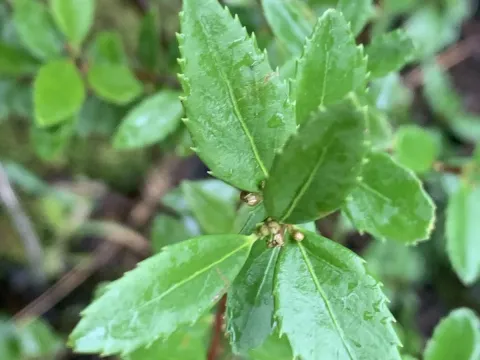
Paxistima
Paxistima
Paxistima is a genus of low-growing evergreen shrubs belonging to the Celastraceae family. Native to the forests of North America, these plants are highly valued for their ability to form dense, lush ground cover in shaded landscape areas.
What the section contains

Paxistima
To thrive, Paxistima requires well-drained, acidic to neutral soil that remains consistently moist. It is important to avoid heavy, waterlogged soils that may cause root rot, as the plant prefers a balance of moisture and aeration.
The ideal location for planting includes partial shade or filtered light. While the plant is hardy, it is susceptible to foliage damage if exposed to harsh, direct sunlight or drying winds for extended periods during the growing season.
These shrubs are exceptionally cold-hardy, making them suitable for temperate climates. Their slow growth habit ensures they require minimal pruning, maintaining a tidy appearance throughout the year with little intervention.
Cultural practices include applying organic mulch around the base to preserve moisture and regulate soil temperature. Fertilizing with an acid-loving plant formula in early spring can further support vigorous foliage growth.
The primary concern for Paxistima health is fungal infection resulting from poor drainage or excessive soil moisture. Root rot is a common issue that often goes unnoticed until the plant begins to show signs of wilting.
Spider mites are the most frequent pests, particularly in dry and hot conditions. Symptoms include stippled leaves and fine webbing; prompt treatment with horticultural soap or miticides is usually effective.
Foliar diseases such as leaf spot can occur when there is poor air circulation around the plants. It is recommended to avoid overhead watering and to thin out dense growth periodically to improve ventilation.
During extreme winter conditions, especially when snow cover is lacking, the foliage may suffer from winter burn. Providing a light protective cover for young shrubs can mitigate this seasonal stress.
Integrated pest management, including regular inspection and maintaining optimal plant vigor through proper nutrition, is the best strategy to keep these shrubs healthy and resilient against common pathogens.