
Microtropis
Microtropis
Microtropis is a genus of evergreen trees and shrubs belonging to the Celastraceae family. There are approximately 60 to 70 recognized species within this genus, predominantly native to the tropical and subtropical regions of Asia, including territories in China, India, and Southeast Asia.
What the section contains


Microtropis
In their natural habitat, Microtropis species thrive in moist evergreen forests located at mid-to-high elevations. The plants require consistently warm temperatures and are sensitive to severe frost, which limits their large-scale commercial cultivation in open fields outside of tropical and subtropical zones.
For successful growth, the crop demands fertile, well-draining soils with a neutral to slightly acidic pH level. The plant is highly sensitive to waterlogging; therefore, when grown in greenhouses or specific managed climates, strict attention must be paid to substrate condition and drainage quality.
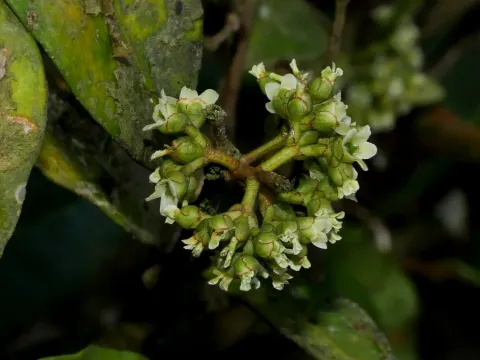
The morphology of Microtropis is characterized by leathery, opposite leaves that facilitate moisture regulation and adaptation to varying light intensities, ranging from bright sun to partial shade. The flowers are generally small and inconspicuous, appearing in clusters, which is a common trait among many members of the Celastraceae family.
The economic utility of the genus remains niche. Certain species are utilized in tropical landscape design and ornamental gardening. The wood of select species is sometimes used in carpentry due to its density and durability. Research in pharmacology is currently investigating the secondary metabolites of the plant for potential bioactive properties.
The primary threats to Microtropis in intensive cultivation settings are fungal infections of the root system, which typically occur due to improper watering practices. Excess soil moisture readily promotes root rot, which can lead to rapid loss of vigor and potential death of the specimen.
Regarding pest management, sucking insects such as scale insects and spider mites pose the most significant risk. These pests frequently infest young foliage in sheltered or greenhouse environments, where the microclimate facilitates rapid reproduction and spread throughout the cultivated population.