
Putterlickia
Putterlickia
Putterlickia is a genus of evergreen shrubs and small trees belonging to the Celastraceae family. Native primarily to the regions of Southern Africa, these plants have evolved to thrive in subtropical climates, displaying significant resilience to harsh environmental conditions.
What the section contains


Putterlickia
For successful cultivation, the plant requires well-draining soil, ideally of a sandy or loamy composition. Since the roots are sensitive to waterlogging, ensuring adequate drainage is the most critical factor in the plant's agrotechnical management to prevent the onset of root rot diseases.
Putterlickia is a sun-loving plant that performs best in bright, open locations, though it can tolerate partial shade during the hottest parts of the day. It demonstrates remarkable tolerance to drought, making it suitable for xeriscaping or regions where water conservation is a priority.
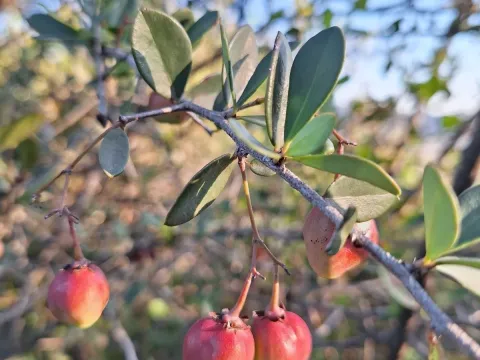
The botanical structure of the genus is characterized by dense, leathery foliage and inconspicuous flowers typical of the Celastraceae family. These features help the plant minimize water loss through transpiration, which is a key survival strategy in its natural habitat.
Economically, Putterlickia is primarily recognized for its pharmacological potential. Research into the alkaloids produced by species like Putterlickia pyracantha suggests that the plant contains compounds with significant medical value, making it a subject of interest for both ethnobotanical studies and pharmaceutical development.
The primary threats to the health of Putterlickia include fungal infections, which often occur due to poor ventilation or excessively high humidity in closed or semi-enclosed growing environments. Maintaining good air circulation is essential to prevent the spread of fungal pathogens.
Common insect pests include spider mites, mealybugs, and scale insects, which feed on the sap of the plant and can cause stunted growth or leaf drop. Growers should implement regular monitoring and utilize appropriate acaricides or systemic insecticides to manage these infestations effectively.