
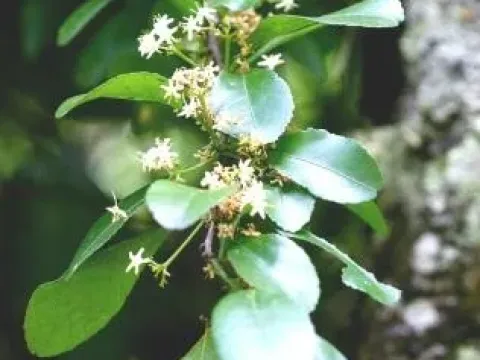
Pristimera
Pristimera
The genus Pristimera, part of the Celastraceae family, consists of climbing shrubs and woody vines native to tropical and subtropical regions. These plants are characterized by their vigorous growth habit and ability to climb using specialized stems.
What the section contains

Pristimera
Growing these crops requires a tropical climate with high humidity and consistent warm temperatures. They are not frost-tolerant and thrive best in environments where the temperature remains above 18 degrees Celsius throughout the year.
Soil requirements focus on high organic matter content and excellent drainage. The plants are sensitive to waterlogging, so soil aeration is essential to prevent root rot and ensure healthy development of the root system.
Light exposure should be balanced; while they can tolerate some shade, they perform best in bright, dappled light conditions. Providing an appropriate trellising system is a fundamental part of the agricultural infrastructure for this species.
Maintenance involves regular pruning and training of the vines, which promotes vegetative growth and increases the surface area for potential harvestable bark or roots, depending on the specific pharmacological goal.
Pristimera is primarily cultivated for its secondary metabolites found in its tissues, particularly the roots and stem bark. These compounds are of significant interest for their anti-inflammatory and potential therapeutic properties.
The harvesting process requires patience, as the medicinal compounds accumulate over several years. Harvesting is typically timed to coincide with the period of peak metabolic activity in the plant, ensuring maximum yield of active ingredients.
After collection, the plant material must undergo immediate processing to prevent spoilage. Proper drying techniques are employed, involving low-heat, well-ventilated environments to maintain the integrity of the chemical structure.
Seed harvesting is also conducted for propagation purposes. Seeds are collected once the capsules reach maturity, usually indicating the end of the reproductive cycle for the season.
Sustainable harvesting practices are essential to ensure the longevity of the plantation. By selectively harvesting portions of the roots and bark, producers can maintain the plant population while ensuring a consistent supply of raw material for extraction.