
Reissantia
Reissantia
Reissantia is a genus of plants belonging to the Celastraceae family, commonly known as the Staff-tree or Bittersweet family. These plants are typically characterized as woody climbers or shrubs native to the tropical and subtropical regions of Africa and Asia.
What the section contains

Reissantia
The plant thrives in warm tropical environments with high ambient humidity levels. It requires consistent temperatures throughout the year to maintain vegetative vigor, as it lacks cold hardiness and should be protected from any exposure to freezing conditions.
Optimal soil conditions include well-draining, nutrient-rich, and slightly acidic to neutral substrates. Growers must ensure that the planting medium does not become waterlogged, as the root system of Reissantia is highly susceptible to hypoxia and fungal pathogens.
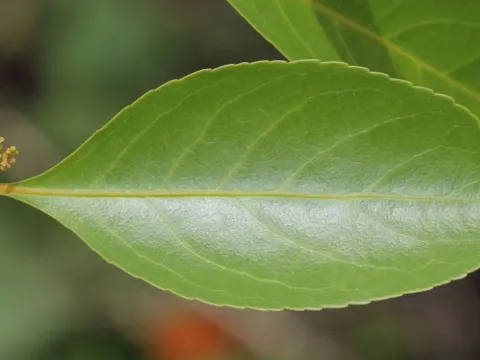
Botanically, the plants exhibit leathery, alternate leaves and small, often inconspicuous flowers arranged in cymes. The stems of these lianas are highly adaptable, capable of climbing tall forest structures to reach optimal light levels in their native canopy habitats.
In terms of usage, several species within this genus have traditional medicinal significance. Researchers are actively studying their chemical composition to identify potential bioactive compounds that could be utilized in pharmaceutical formulations and traditional medicine.
The primary threats to Reissantia include fungal infections such as root rot and leaf spots, which are usually triggered by poor ventilation and over-watering. Common pests that impact the health of the plant include spider mites, mealybugs, and scale insects.