
Saponaria glutinosa
Saponaria glutinosa
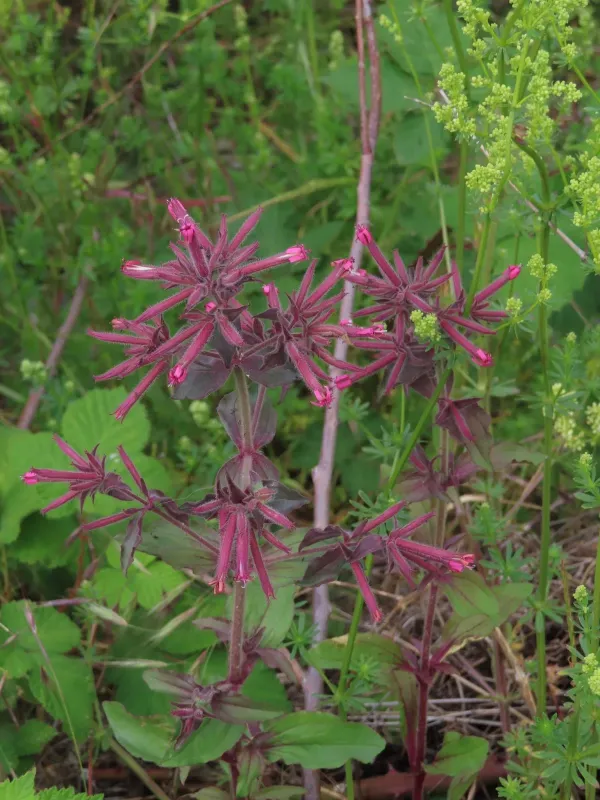
Description
Sowing dates
Sowing of Saponaria glutinosa is carried out primarily in the spring once soil temperatures reach 10–12 degrees Celsius. The seeds require stratification to improve germination rates, making late autumn sowing a viable alternative in temperate climate zones.
Industrial cultivation uses row seeding with spacings of 45–60 centimeters, which simplifies subsequent field management. The sowing depth should not exceed 1–2 centimeters, as small seeds are highly sensitive to soil cover thickness.
Seedlings typically emerge within 14–20 days under optimal moisture conditions. During the first year, the crop develops slowly, focusing on establishing a robust root system and a basal leaf rosette.
The optimal plant population is approximately 15–20 plants per linear meter for row crops. Thinning should be performed at the three-to-four true leaf stage to reduce competition for nutrients and space.
When propagating via root cuttings, planting should be performed in the autumn, allowing the plants to establish before the start of the next vigorous growing season.
Growing requirements
Saponaria glutinosa belongs to the Caryophyllaceae family and is a perennial herbaceous plant. Originally native to Southeastern Europe, it thrives in rocky environments and calcareous substrates.
The crop has moderate soil fertility requirements but performs best in light, well-drained sandy loam soils with a neutral or slightly alkaline pH. Waterlogging is detrimental and can easily lead to root rot.
Being a photophilic species, it requires open and well-lit areas for commercial production. Lack of sufficient sunlight leads to stem etiolation and a significant decrease in the synthesis of bioactive compounds.
The species is relatively hardy, exhibiting winter resistance characteristic of its Balkan origins. Mature plants are able to withstand short periods of drought due to their taproot system.
Field maintenance includes regular cultivation between rows to prevent soil crusting and to manage weeds effectively. The crop responds well to mineral fertilization, particularly with potassium and phosphorus formulations.
Yield
The primary economic value of Saponaria glutinosa lies in the extraction of plant-based saponins used in pharmaceutical, cosmetic, and food industries. Both the aerial biomass and the rhizomes are harvested as raw materials.
Green biomass yields can reach 15–20 decitonnes per hectare in dry weight, depending on the agricultural practices employed. Rhizomes often contain a higher concentration of active compounds, making them a premium harvest component.
The concentration of saponins peaks at the beginning of the flowering stage, necessitating precise harvesting timing tied to the plant's phenological development. Harvesting too late results in a change in chemical composition and loss of product quality.
Post-harvest, the raw material must be dried at temperatures not exceeding 45 degrees Celsius to preserve heat-sensitive bioactive compounds. A properly dried product displays a characteristic odor and strong foaming properties.
Breeding efforts focus on selecting clones with higher triterpenoid glycoside content to maximize economic returns per unit area.
Main diseases and pests
The primary phytopathological threats to soapwort are fungal diseases, which proliferate under conditions of excessive air or soil humidity. Powdery mildew is the most common issue, affecting leaves and young shoots during the summer months.
Root rot can occur due to poor agricultural practices or water accumulation, leading to stunted growth and stand loss. Crop rotation and timely fungicide application are recommended for disease management in rainy seasons.
Leaf-eating insects, such as cutworm larvae and various weevil species, pose significant risks to the plant. Damage caused by these pests reduces the photosynthetic area and weakens the overall vitality of the crop.
Aphids may infest shoot tips during the budding stage, extracting cell sap and causing floral deformation. When pest populations exceed economic thresholds, systemic insecticides should be used with attention to pre-harvest intervals.
- Regular phytosanitary monitoring of the fields.
- Removal of plant residues post-harvest to reduce disease reservoirs.
- Timely weeding to eliminate secondary hosts for pests and infections.
Harvesting
Harvesting of the aerial parts is performed during the peak flowering phase to ensure maximum saponin content. Specialized mowers are used to collect the biomass, minimizing leaf loss during the process.
Rhizomes are harvested in the autumn after the growing season concludes, or in the early spring before new shoot growth begins. This process is labor-intensive and requires mechanized soil-turning equipment.
After excavation, rhizomes are cleaned of soil, washed with running water, and trimmed of damaged sections. High-quality raw material should appear light in color when broken and remain free of mold or rot.
Dried raw material must be stored in dry, well-ventilated facilities protected from direct sunlight. Improper storage leads to the degradation of active compounds and a reduction in product grade.
Transportation requires moisture-proof packaging to prevent rehydration and the subsequent growth of spoilage microorganisms during transit to processing centers.