
Saponaria bellidifolia
Saponaria bellidifolia
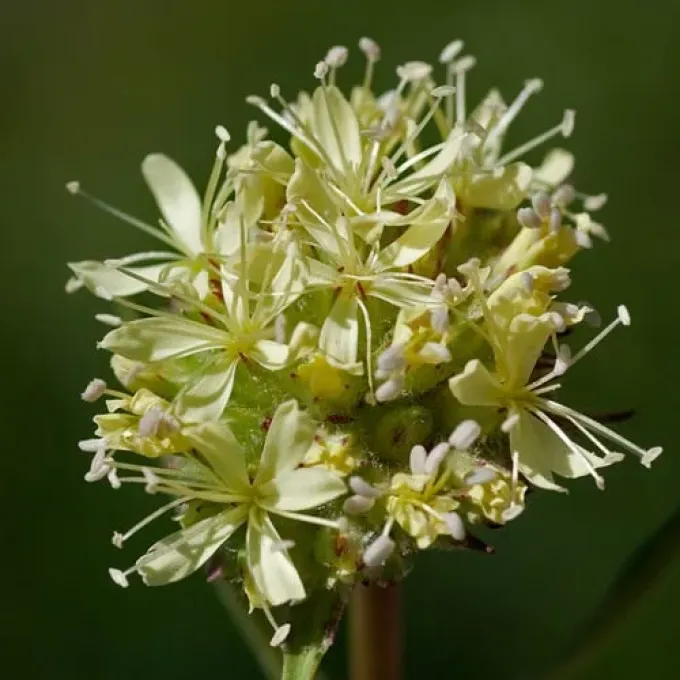
Description
Growing requirements
Saponaria bellidifolia is a perennial herbaceous plant belonging to the Caryophyllaceae family. It is native to the mountain regions of Southern Europe, typically inhabiting limestone slopes and rocky crevices.
The plant is characterized by its basal rosettes of leaves, which resemble the daisy, providing a distinct appearance. It is adapted to extreme temperature fluctuations and high-altitude climate conditions.
Successful cultivation requires soil with excellent drainage capabilities. A sandy or gravelly substrate with a neutral to alkaline pH is ideal for maintaining plant health and longevity.
Water requirements for Saponaria bellidifolia are minimal. The plant is drought-tolerant, and it is crucial to avoid excessive irrigation, as wet soil conditions are detrimental to its root system.
This species thrives in full sun exposure. It is an excellent candidate for rock gardens, scree beds, or alpine containers where light levels are high and soil moisture can be strictly controlled.
Main diseases and pests
The primary threat to Saponaria bellidifolia is root rot, typically caused by stagnant water or poorly draining soils. Ensuring a porous growth medium is the best preventive measure.
Fungal infections, such as powdery mildew, may occur during periods of high humidity. Proper spacing between individual plants is essential to promote airflow and prevent moisture accumulation.
Slugs and snails are the most common pests that pose a threat to young foliage. Control strategies include physical barriers or baiting during early spring when growth is most susceptible.
Preventative cultural practices such as regular weeding and the application of a gravel mulch help protect the foliage from direct soil contact, thereby reducing the risk of ground-borne pathogens.
In cases of infestation or disease, monitoring the plants early is key. Removing infected parts and maintaining rigorous sanitation in the planting area effectively mitigates the spread of damage.