
Mountain sandwort
Arenaria montana L.
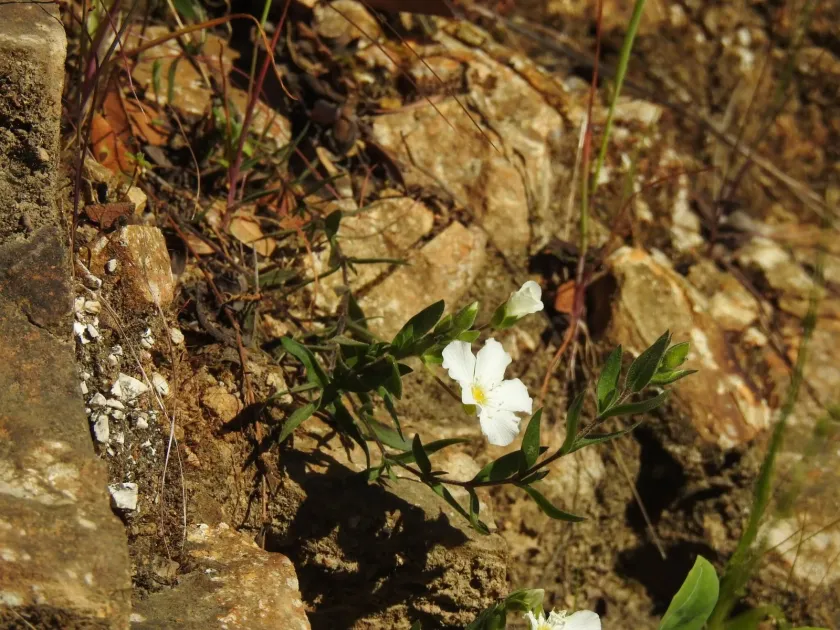
Description
Sowing dates
Mountain sandwort (Arenaria montana L.), a member of the Caryophyllaceae family, is typically propagated through seeds or division. Seeds should be sown in early spring in well-drained, seed-starting mix.
Surface sowing is recommended as the seeds require light to germinate. Press them gently into the soil but do not bury them, maintaining a constant temperature of approximately 20 degrees Celsius for optimal results.
Seedlings can be transplanted outdoors once the risk of frost has passed. They develop a mat-forming habit, making them an excellent choice for rock gardens and borders where rapid ground coverage is desired.
Division is the most effective method for mature plants. This is best done in the spring or autumn, ensuring each section has a healthy root system and a few active shoots for quick establishment.
The optimal planting density ensures that the plants can spread naturally without overcrowding. Maintaining a spacing of 20 centimeters between individual plants is generally recommended for healthy growth.
Growing requirements
This species thrives in full sun and requires exceptionally well-drained, gritty, or sandy soil. It is particularly well-suited for rockeries or sites with poor, rocky substrates where other plants struggle.
Soil pH should be neutral to slightly alkaline. The presence of limestone or chalk in the soil substrate is highly beneficial for the plant's health and promotes vigorous growth.
While the plant is quite drought-tolerant once established, it benefits from moderate watering during periods of extreme heat. Excess water retention in the soil will lead to root rot and loss of the plant.
Climate tolerance is robust, with the plant handling cold winters effectively provided that there is excellent winter drainage. Standing water during freezing cycles is the primary cause of winter damage.
Minimal fertilization is required for this crop. Excessive nitrogen can lead to soft, elongated growth that is susceptible to pests and diseases, so a balanced, slow-release fertilizer used sparingly is sufficient.
Main diseases and pests
The most common threat to Mountain sandwort is fungal infection, specifically root rot, which typically develops in poorly drained soils or conditions of high humidity and restricted air circulation.
Preventative measures include ensuring the planting site is elevated or properly sloped to prevent water accumulation. Avoiding overhead watering in the evenings also helps keep the foliage dry and disease-free.
Pests like aphids are occasionally observed in young, succulent growth. They can usually be managed with gentle horticultural soaps or by removing the affected tips if the infestation is localized.
In humid climates, powdery mildew may develop on the leaves. Keeping the plants spaced properly allows for adequate airflow, which is the most effective natural defense against this fungal issue.
Regular monitoring of the plant base is vital to catch signs of decay early. Removing any dead or yellowing foliage ensures that the plant remains vigorous and resistant to potential environmental stressors.