
Thyme-leaved sandwort
Arenaria serpyllifolia L.
Description
Growing requirements
Thyme-leaved sandwort (Arenaria serpyllifolia L.) is a small annual herbaceous plant belonging to the Caryophyllaceae family. It is widely recognized as a weed in agricultural landscapes, particularly in fields with light, sandy, or stony soils.
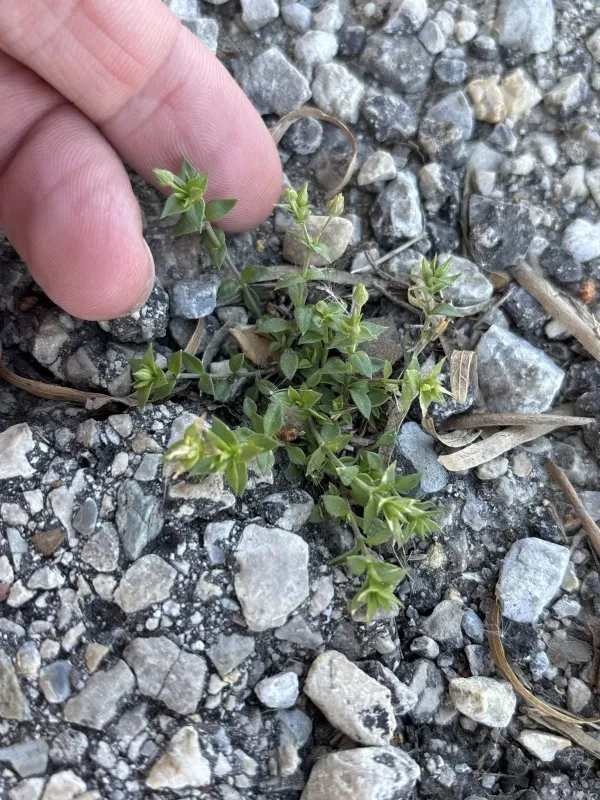
Botanically, it features small, ovate, opposite leaves and white flowers. Its growth habit varies from prostrate to upright, and it produces a high number of seeds, which contributes to its status as a persistent invasive weed in cultivated areas.
Regarding soil requirements, this species thrives in well-drained, nutrient-poor, or sandy substrates. It is often found in disturbed areas where it quickly colonizes open spaces before more robust crops can establish their canopy cover.
Climate preferences are quite broad, with the plant showing adaptation to various temperate climates. It is particularly competitive in early spring, as it can germinate rapidly under cool conditions, frequently impacting winter cereal crops before they reach the jointing stage.
Effective agricultural management involves clean tillage practices and the use of competitive crop varieties. Regular monitoring and physical weeding during the early stages of crop development are essential to preventing the plant from setting seeds and depleting soil nitrogen.
Main diseases and pests
This weed acts as a secondary host for several pathogens, including those causing powdery mildew and various soil-borne diseases. The presence of thyme-leaved sandwort in field margins increases the risk of infection spread to adjacent high-value crops.
In terms of pests, it can support populations of aphids and certain beetle species that serve as vectors for plant viruses. Managing this weed is therefore critical in integrated pest management programs to break the cycle of viral diseases.
Rust fungi are also known to colonize the foliage of Arenaria serpyllifolia, making it a reservoir for inoculum that can negatively affect cereal grain yields during wet, humid seasons when fungal pressure is high.
Competition for water and nutrients is significant, especially in poorly established crops. By suppressing the growth of this weed through chemical or mechanical means, farmers can ensure that resources remain available for the intended harvest.
Chemical control strategies typically involve the application of selective herbicides during the seedling stage. Due to its life cycle, timing the application before the weed reaches the flowering stage is the most effective way to manage its long-term presence in the field.