
Saponaria mesogitana
Saponaria mesogitana
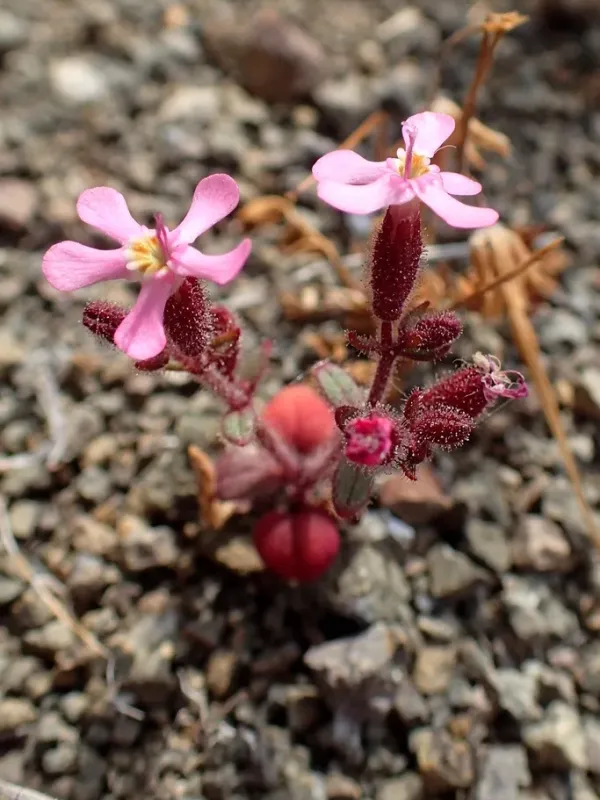
Description
Sowing dates
Saponaria mesogitana is an interesting species within the Caryophyllaceae family. Sowing is typically performed in the spring when soil temperatures reach 10–12 degrees Celsius.
The ideal period for planting starts in the second half of April. Seeds should be sown at a shallow depth, approximately 1.5–2 centimeters, to facilitate optimal germination rates.
A fine-textured, loose seedbed is essential for successful establishment. Standard row planting with inter-row spacing of up to 45 centimeters is recommended for easier field management.
Seedlings are vulnerable to late spring frosts, so protection measures should be considered in regions with high climate variability. Adequate moisture is required immediately after sowing.
Initial growth is relatively slow, making early-stage weed management crucial. Regular inter-row cultivation helps suppress weed competition and improves soil aeration for the young plants.
Growing requirements
Originating from Mediterranean and Western Asian regions, this plant thrives in high-light environments. It prefers well-drained, lime-rich soils with a neutral or slightly alkaline pH.
Waterlogging must be avoided at all costs, as stagnant water is detrimental to the root system and promotes disease. The species is moderately drought-tolerant once established.
Balanced fertilization, focusing on phosphorus and potassium, is sufficient for healthy development. Excess nitrogen can lead to excessive foliage growth at the expense of secondary metabolites.
The optimal temperature for growth ranges between 20 and 25 degrees Celsius. Extreme humidity fluctuations can interfere with the blooming cycle and the accumulation of active compounds.
Light sandy or loamy soils are ideal for this crop. In heavy clay soils, amendments like sand or organic matter are necessary to prevent compaction and ensure deep root penetration.
Main diseases and pests
Fungal diseases are the primary threat, especially in humid conditions. Powdery mildew can rapidly infect the leaf canopy if air circulation within the plantation is poor.
Pests like aphids and spider mites can damage developing plants. Regular monitoring of the field is necessary to apply timely interventions before pest populations explode.
Root rots are common where drainage is poor. Proper land leveling and water management are the most effective preventive measures against these soil-borne pathogens.
Integrated pest management (IPM) practices, including the use of biological control agents, are preferred to maintain the quality of the raw herbal material.
Sanitation practices, such as removing debris after harvest and using disease-free seed, are critical for maintaining the long-term health of the crop field.
Harvesting
Harvesting is performed during the peak flowering phase, as this is when the concentration of saponins in the plant tissue reaches its maximum level for commercial use.
The aerial parts are cut using mechanical or manual methods. It is vital to perform the harvest on a dry day to prevent moisture buildup, which can cause rotting during the drying phase.
Immediate drying is required after harvest in shaded, well-ventilated facilities. Temperature control is essential, keeping the process below 45 degrees to preserve medicinal efficacy.
Storage should occur in a cool, dry, and dark environment. Proper packaging in breathable containers helps protect the material from moisture and secondary contamination.
Regular checks for moisture content are required during storage to ensure it remains below 14 percent, which is the threshold for maintaining stability and preventing mold growth.