
Weigela
Weigela
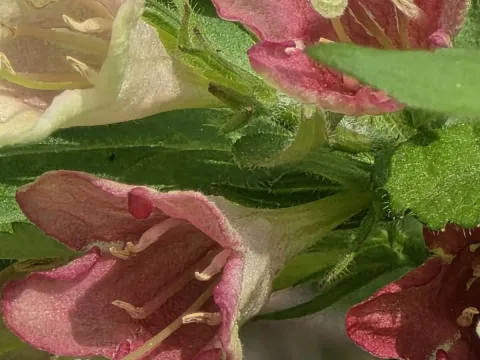
Weigela (genus Weigela) is a popular deciduous shrub belonging to the Caprifoliaceae family. Native to East Asia, it has become a staple in ornamental horticulture across temperate regions due to its spectacular, bell-shaped blossoms that appear in late spring and early summer.
What the section contains


Weigela
The shrub thrives in full sun, which is essential for maximum flower production and dense growth. While it can tolerate partial shade, insufficient light often results in leggy branches and significantly reduced flowering capability.
Soil requirements for Weigela are specific: it prefers moist, well-drained, and nutrient-rich soils. It does not tolerate waterlogged conditions, which can lead to root rot. If planting in heavy clay, incorporating organic matter or providing an improved drainage system is highly recommended.
Routine maintenance involves consistent watering, especially during dry spells or high-temperature periods. Mulching around the base of the plant helps retain soil moisture, suppresses weed growth, and keeps the root system cool during the summer heat.
Pruning is critical for maintaining the plant's shape and health. The best practice is to prune immediately after the first flush of flowers has faded. This encourages new growth that will produce flower buds for the following year, ensuring a vibrant display season after season.
Weigela plants are generally robust, but they can be susceptible to fungal diseases such as leaf spot, rust, and gray mold, particularly in environments with high humidity and stagnant air.
Common insect pests include aphids, spider mites, and scale insects. These pests can weaken the shrub by feeding on sap, often causing stunted growth and leaf distortion if not managed early.
In colder climates, late frost can damage new buds, requiring temporary protective covers during early spring. Winter protection for the root zone with mulch is advised to prevent frost-heave damage.
Root rot is a persistent threat if the drainage is insufficient. Symptoms often include yellowing leaves and general decline of the shrub, which is usually irreversible once the infection is widespread.
Integrated pest management, involving regular inspection and proper spacing, is the most effective way to prevent disease outbreaks. Removing dead or diseased branches during pruning sessions also significantly reduces the risk of fungal spread.