
Velvet scabious
Knautia velutina
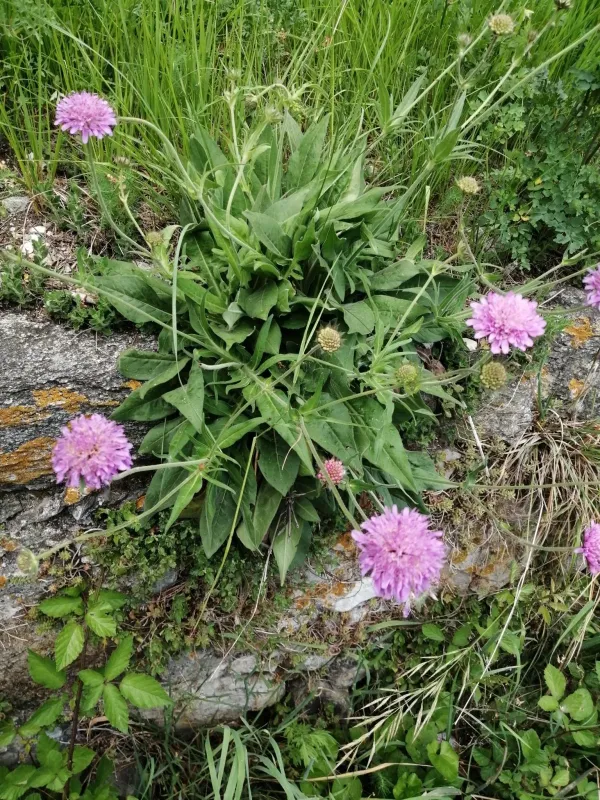
Description
Sowing dates
The seeds of Knautia velutina are typically sown in early spring when soil temperatures reach 10–12°C. In regions with mild winters, autumn sowing is also a viable option to allow for natural stratification of the seeds.
Seeds should be planted at a shallow depth of approximately 1–2 cm. Since the seeds are small, surface sowing or very light soil coverage is recommended to ensure they receive sufficient light for successful germination.
Maintain a spacing of 30–40 cm between rows to ensure proper airflow and light distribution. Avoiding high-density planting is essential to prevent competitive stress among the plants during the early vegetative stage.
Seedlings usually emerge within 14 to 20 days post-sowing, provided that soil moisture is kept consistent. During the first year, the plant focuses on establishing a strong taproot and a basal rosette of leaves.
Pre-sowing soil preparation, including loosening and rolling the seedbed, significantly improves germination rates. This step ensures that the seeds have optimal contact with the moist soil environment.
Growing requirements
Velvet scabious belongs to the Caprifoliaceae family and thrives in open, sunny locations. It is highly adaptable to various environmental conditions, but it performs best in full sunlight.
Ideal soil conditions include fertile, well-drained loams or sandy soils with a neutral pH. The species is highly sensitive to waterlogging, so choosing a site with excellent drainage is crucial for plant health.
The plant demonstrates high resilience to drought and heat, making it an excellent candidate for cultivation in varied climatic zones. It remains productive even during periods of limited rainfall.
Regular maintenance, such as hoeing between rows, is necessary to keep the soil aerated and free from competing weeds. The addition of organic matter to the soil can significantly boost productivity.
Applying phosphorus-based fertilizers during the bud development stage encourages abundant flowering. This is particularly important for commercial use as a nectar-producing plant for pollinators.
Main diseases and pests
Powdery mildew is the most common fungal threat, especially in humid and stagnant air conditions. Proper spacing and airflow are the primary cultural controls against this disease.
Pests like aphids may target the succulent parts of the plant during the growing season. Early detection and the use of integrated pest management practices are recommended to protect the crop.
Root rot is typically associated with poor drainage or overwatering. Maintaining a balanced irrigation schedule is key to preventing these types of soil-borne pathogens from affecting the plant.
Nematodes can occasionally pose a risk if the same land is used for long periods without rotation. Rotating crops helps maintain soil health and reduces the pressure from soil-dwelling pests.
While the plant is generally robust, regular monitoring is necessary to maintain high crop quality. A combination of good hygiene and appropriate site selection keeps these risks at a manageable level.