
Weigela japonica
Weigela japonica
Description
Growing requirements
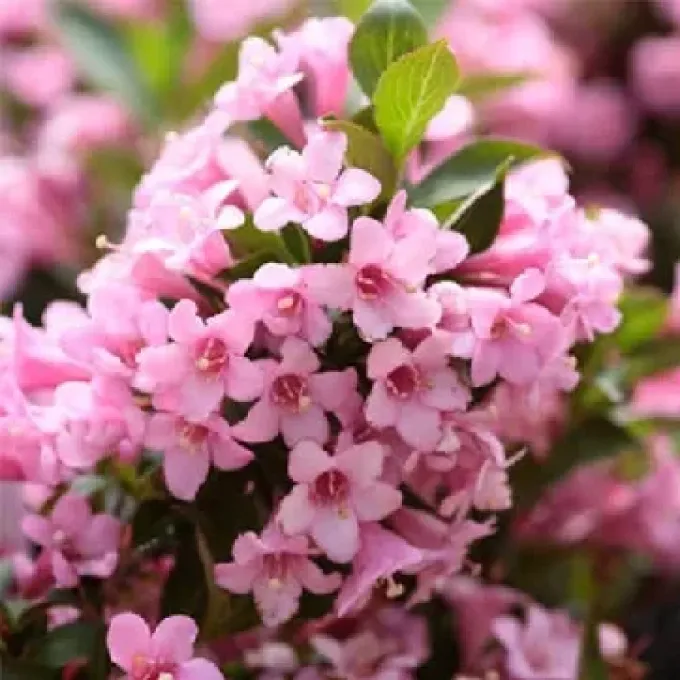
Weigela japonica is a deciduous flowering shrub belonging to the Caprifoliaceae family. Native to the forests of Japan, this plant has gained popularity worldwide due to its beautiful trumpet-shaped blossoms and dense foliage.
Cultivation requires a location that provides full sun to partial shade. While the shrub is quite adaptable, exposure to direct sunlight for a significant part of the day is crucial for maximizing the frequency and vibrancy of the blooms.
Regarding soil preferences, Weigela japonica thrives in moist, fertile, and well-drained soil. It is vital to avoid sites with standing water, as poor drainage often leads to root rot and other physiological stressors for the shrub.
The plant is relatively hardy but benefits from shelter during harsh winters, especially in younger stages. Applying a layer of organic mulch around the root zone helps regulate soil temperature and retain essential moisture throughout the growing season.
In terms of хозяйственное usage, it is widely utilized as a decorative element in landscape gardening. It serves perfectly as a standalone focal point, part of a mixed border, or as an informal hedge in residential and public green spaces.
Main diseases and pests
Common pests that may affect Weigela japonica include aphids, spider mites, and leaf-eating caterpillars. These insects often target weakened plants or those growing in suboptimal environmental conditions.
Fungal diseases, including leaf spot and gray mold, can occur if the humidity levels are too high and airflow around the branches is restricted by overcrowded planting or lack of pruning.
Effective management includes regular sanitary pruning to improve air circulation and immediate removal of any dead or diseased foliage from the garden bed to prevent the spread of spores.
When infestation levels exceed the threshold of economic damage, horticulturalists recommend applying approved insecticides or fungicides, following the manufacturer's directions for safety and efficiency.
Consistent monitoring and proper nutrition are the best defenses against environmental stressors, ensuring the shrub remains vigorous and resistant to typical regional pests and pathogens.