
Korean weigela
Weigela coraeensis
Description
Growing requirements
Korean weigela (Weigela coraeensis) is a deciduous flowering shrub belonging to the Caprifoliaceae family. Native to the Korean Peninsula, this species is highly valued for its striking visual impact and robust growth habit in suitable climatic conditions.
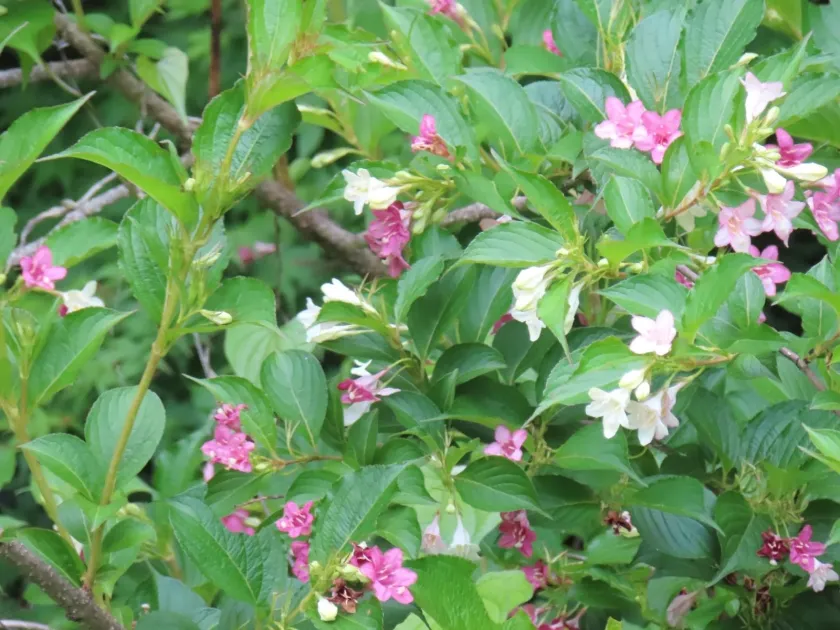
Botanically, the shrub is characterized by its large, elliptical leaves and magnificent floral display. The blossoms transition from white or pale pink to a deep, intense rose color as they mature, creating a unique bi-color effect on the same plant during the blooming period.
The cultural requirements for this plant include well-drained, fertile soil enriched with organic matter. It thrives in locations that offer full sun to partial shade, as sufficient sunlight is essential to stimulate optimal flower production and vibrant foliage coloration.
Agrotechnical management involves consistent watering during the growing season, particularly during drought, and mulching to retain moisture in the soil. Pruning should be performed immediately after the spring flowering cycle to maintain the plant's shape and encourage healthy new growth.
In landscaping, Korean weigela is utilized for its ornamental value in parks, gardens, and as a hedge. It serves as an excellent focal point in perennial borders and contributes significantly to seasonal garden aesthetics with its prolific bloom and elegant structure.
Main diseases and pests
The shrub is occasionally susceptible to common garden pests such as aphids and spider mites. Regular monitoring of the foliage, especially the undersides of leaves, helps in the early detection and management of infestations using horticultural soaps or targeted insecticides.
Diseases affecting the species include powdery mildew, which can occur in humid or poorly ventilated conditions. Maintaining proper spacing between shrubs and pruning to ensure good airflow within the canopy are key strategies for preventing fungal infections.