
Weigela decora
Weigela decora
Description
Growing requirements
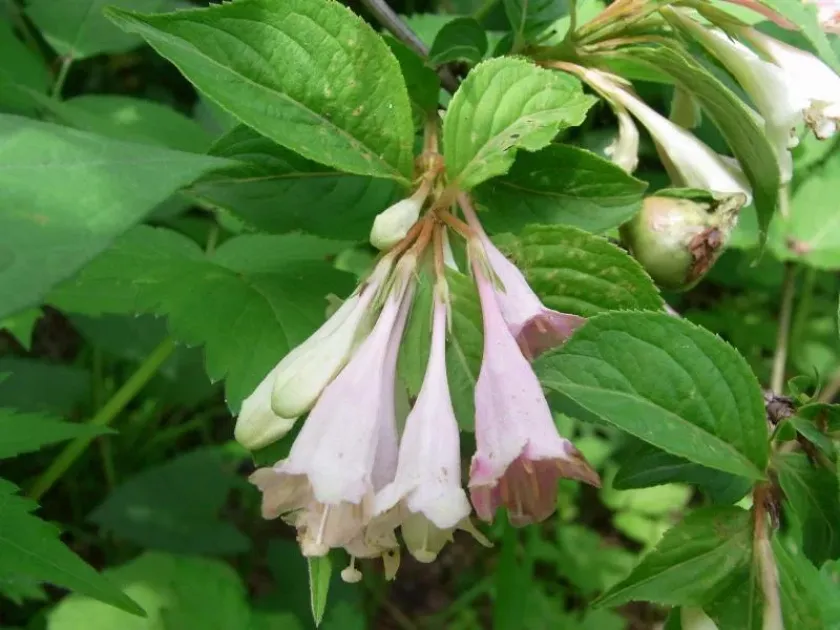
Weigela decora is a deciduous shrub belonging to the Caprifoliaceae family, known for its stunning floral displays. Native to East Asia, specifically Japan, this species has become a popular choice for gardens globally due to its elegant growth habit and resilience.
This shrub thrives in full sun, which is essential for maximizing flower production, though it can tolerate partial shade in hotter climates. It is crucial to choose a planting site that is sheltered from strong, drying winds to prevent damage to the foliage and buds throughout the growing season.
In terms of soil, Weigela decora prefers well-drained, fertile, and moist loamy soils. It does not perform well in waterlogged conditions, making effective drainage a priority. Amending the soil with organic matter such as compost helps maintain the ideal structure and nutrient levels for healthy growth.
Agricultural management involves consistent watering during dry spells and the application of balanced fertilizers in early spring to support vigorous development. Pruning should be performed immediately after the flowering period concludes, which encourages the development of healthy new wood for the next cycle.
The primary use of this plant is ornamental, serving as a focal point in landscapes or as part of mixed shrub borders. Its ability to create vibrant, colorful displays makes it highly valued in both public park projects and private residential gardening designs.
Main diseases and pests
The plant is susceptible to common pests such as aphids, spider mites, and scale insects, particularly during periods of environmental stress. Maintaining overall plant vigor through proper watering and nutrition is the first line of defense against these opportunistic infestations.
Fungal diseases like powdery mildew and leaf spot are potential threats that often arise in damp or poorly ventilated conditions. Managing air circulation through judicious pruning and avoiding overhead irrigation can significantly reduce the incidence of these common horticultural challenges.