
Weigela hybrids
Weigela hybrids
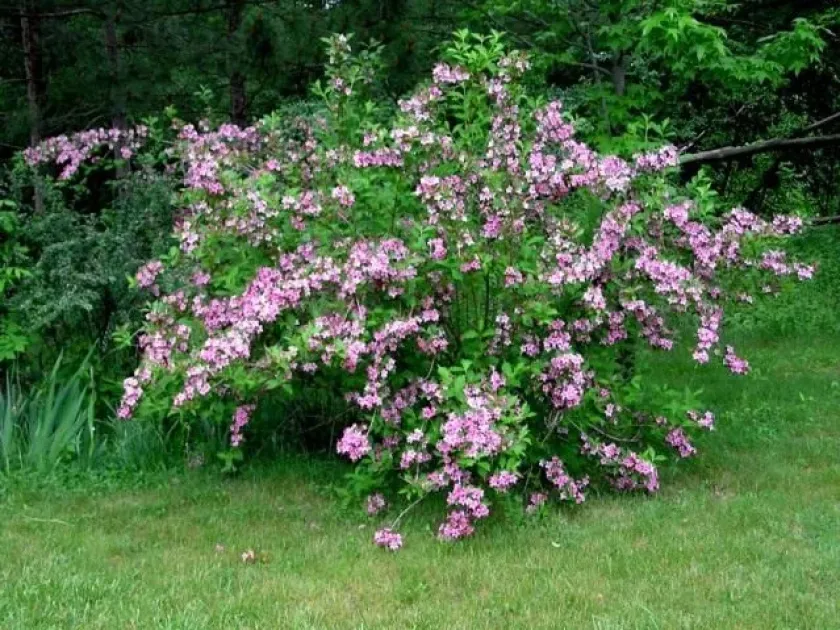
Description
Growing requirements
Weigela hybrids comprise a diverse group of deciduous shrubs belonging to the Caprifoliaceae family. Originating from species native to East Asia, these hybrids have been developed for their superior floral displays and garden performance.
Optimal growth requires a site with full sun to light shade. While these shrubs are relatively adaptable, they perform best in fertile, well-draining, loamy soil with a neutral to slightly alkaline pH level to support vigorous vegetative development.
Agricultural practices focus on consistent moisture during the establishment phase and periods of drought. Providing a layer of organic mulch around the base helps maintain soil temperature and moisture levels, significantly improving plant health.
Climate requirements vary by cultivar, but generally, Weigela hybrids are hardy in temperate climates. Providing adequate space for air circulation is crucial to minimize the risk of environmental stress and potential fungal pathogens.
Pruning is essential for maintaining the desired shape and promoting heavy flowering. It should be performed immediately after the spring flush of blooms to ensure that new growth, which carries the next season's buds, has sufficient time to mature.
Main diseases and pests
Typical pests affecting this culture include aphids and spider mites, which feed on the foliage and new shoot growth. Integrated pest management using insecticidal soaps or specific miticides is recommended when infestations are detected.
Fungal issues, such as powdery mildew and leaf spot, may occur, particularly in humid and poorly ventilated conditions. Effective management involves canopy thinning and the application of fungicides to protect the plant during the active growing season.