
Weigela maximowiczii
Weigela maximowiczii
Description
Growing requirements
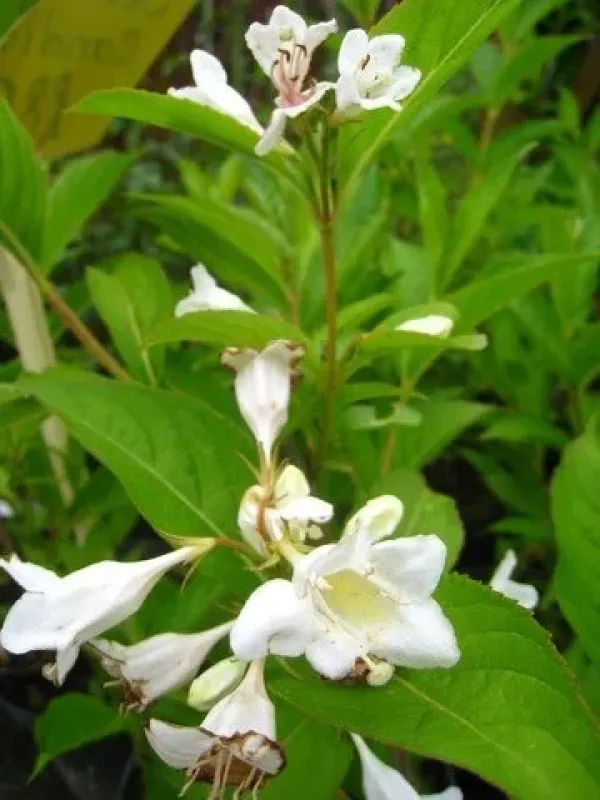
Weigela maximowiczii is a distinguished deciduous shrub belonging to the Caprifoliaceae family. Native to the Russian Far East and Japan, this species is highly valued for its unique yellow flowers, which distinguish it from the more common red-flowering varieties.
The plant exhibits a slow to moderate growth rate, reaching a mature height of about 1.5 meters. Its foliage is characterized by a subtle pubescence, giving the leaves a distinct texture that adds depth to ornamental garden beds.
Cultivation success relies heavily on soil conditions. Weigela prefers nutrient-rich, well-drained loamy soils. It is essential to avoid planting in heavy clay or waterlogged soils, as the root system is highly susceptible to suffocation and fungal infections.
Optimal site selection includes full sun to light shade. While the shrub can tolerate partial shade, full sun exposure is generally required to achieve the most abundant flowering cycle during the late spring period.
Regular maintenance involves light pruning immediately after the bloom season. Removing old or weak stems promotes vigorous new growth, ensuring the shrub remains dense and healthy for the following growing season.
Main diseases and pests
The primary pests affecting Weigela maximowiczii are aphids, which cluster on the tender tips of new growth. These pests extract plant sap, causing the foliage to curl and significantly reducing the plant's overall vigor.
Spider mites can also become problematic during hot, dry spells. They thrive in low humidity and can cause yellowing or stippling on leaves, which often goes unnoticed until the plant is heavily infested.
Fungal issues, such as leaf spot or powdery mildew, are frequently observed when plants are crowded or when airflow is insufficient. Maintaining adequate spacing between shrubs is a vital cultural practice to mitigate these risks.
In cases of severe infestation, systemic insecticides may be necessary. However, integrated pest management practices, such as encouraging natural predators, are preferred for sustainable long-term plant health.
Winter damage to buds is a potential threat in colder zones. Protecting the root zone with organic mulch helps maintain soil temperature and prevents the plant from experiencing excessive stress during freeze-thaw cycles.