
Weigela wagneri
Weigela wagneri
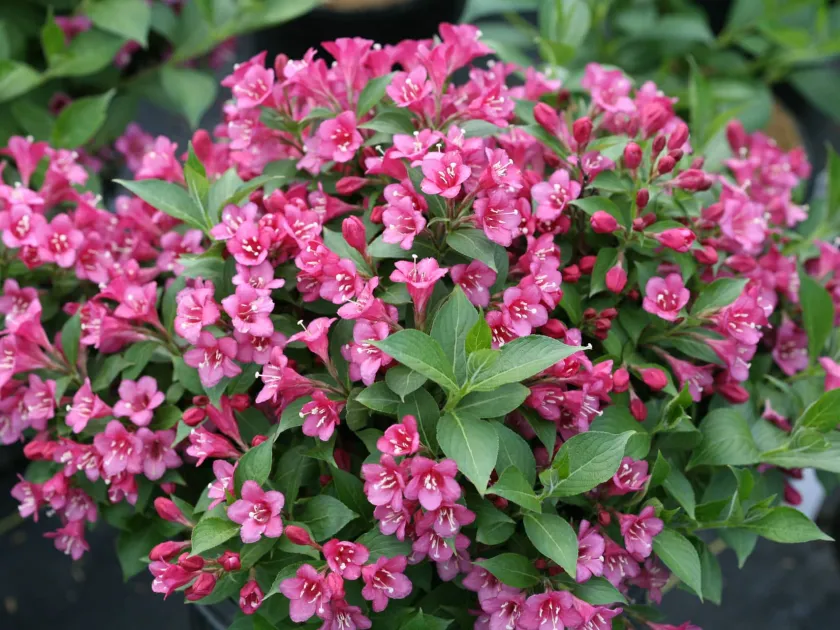
Description
Growing requirements
Weigela wagneri is a hardy ornamental shrub belonging to the Caprifoliaceae family. Known for its aesthetic appeal, this hybrid cultivar is widely cultivated in temperate gardens for its showy, trumpet-shaped flowers.
The plant thrives in fertile, well-draining soils with a neutral or slightly alkaline pH. It requires a sunny location to maximize blooming intensity; however, it can tolerate light partial shade in hotter climates.
Cultural practices include consistent irrigation during dry spells and the application of mulch around the base. Mulching helps retain soil moisture and suppresses the emergence of competing weeds around the root zone.
Maintenance includes pruning spent flowers and thinning out older branches every few years. Proper pruning techniques help maintain the plant's structural integrity and promote healthier, more vigorous growth in the following season.
In landscaping, Weigela wagneri serves as a versatile plant for borders, mixed flower beds, or as a stand-alone specimen. Its ability to integrate into various garden styles makes it a preferred choice for many horticulturists.
Main diseases and pests
Aphids and spider mites represent the most common pest threats to this species. Monitoring the foliage, especially during warm and dry periods, is crucial to detect early infestations and apply appropriate insecticides.
Fungal issues such as powdery mildew or leaf spot diseases are common, particularly when air circulation is poor or humidity levels remain high. Improving plant spacing can significantly reduce the risk of outbreaks.
Grey mold (Botrytis) may affect the shrub if fallen leaves are left to decay near the base of the plant. Maintaining a clean garden environment by removing debris is an essential preventative measure.
Winter damage can weaken the plant, making it more susceptible to secondary infections. Always remove any dead or damaged wood in early spring to encourage the shrub's natural recovery processes.
Fertilizing with phosphorus and potassium-rich compounds enhances overall plant resistance. Stronger stems and leaves are significantly more capable of resisting common pathogens and environmental stressors.