
Weigela floribunda
Weigela floribunda
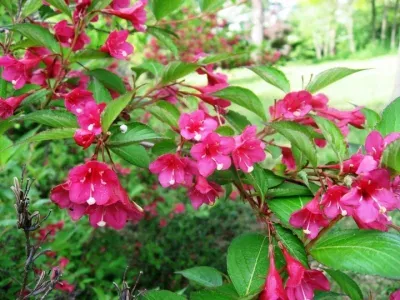
Description
Growing requirements
Weigela floribunda is a member of the Caprifoliaceae family. It is a deciduous shrub native to the mountainous regions of Japan, valued primarily for its abundant, bell-shaped flowers that appear in late spring and early summer.
The cultural requirements for this plant focus on full sun exposure. While it can tolerate partial shade, a sunny location is essential to promote the densest flowering and maintain the vibrant color of its foliage throughout the growing season.
The soil should be rich in organic matter and possess excellent drainage capabilities. A fertile, moist, yet well-drained loamy soil provides the best conditions for the vigorous growth and overall health of this ornamental shrub.
In terms of climate, it thrives in temperate zones. Consistent moisture is vital during the establishment phase, and the plant appreciates a layer of mulch around the base to preserve soil humidity and protect the roots from extreme temperature fluctuations.
Regular maintenance involves pruning immediately after the flowering period ends. By removing wood that has just bloomed and thinning out older stems, the gardener encourages the development of new, strong growth that will bear flowers in the following year.
Main diseases and pests
Weigela floribunda is generally hardy, but it can be susceptible to fungal diseases such as botrytis and leaf spot, especially in areas with poor airflow and high humidity. Maintaining proper spacing between plants helps to mitigate these risks effectively.
Common pests include aphids, scale insects, and spider mites. These pests typically attack the soft, new growth of the plant. Monitoring and timely application of horticultural oils or approved insecticides are necessary to maintain the plant's aesthetic value.