
Triosteum himalayanum
Triosteum himalayanum
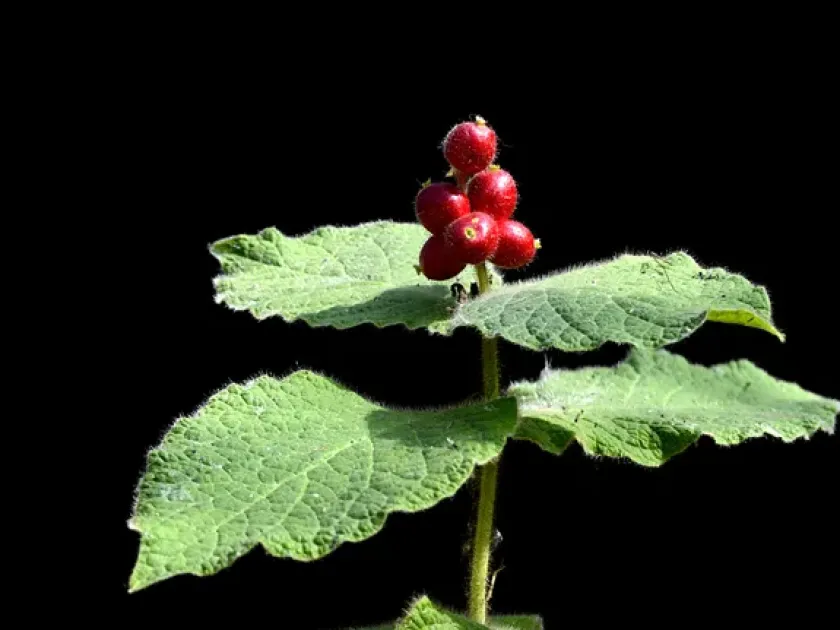
Description
Sowing dates
Sowing seeds of Triosteum himalayanum is best performed in the autumn. The seeds require a period of natural winter cold, known as stratification, to break their dormancy and ensure successful germination the following spring.
For spring sowing, seeds must be subjected to artificial cold stratification for approximately 8 to 12 weeks at temperatures near 4 degrees Celsius. This mimics the natural forest floor conditions necessary for the seed to sprout.
A loose, well-draining substrate rich in organic matter is essential for seed starting. A mix of peat, perlite, and fine garden soil provides the perfect environment for the delicate root systems to emerge.
Seeds should be covered with a very thin layer of soil, as they need a small amount of light to trigger germination. Keeping the seed tray in a cool, shaded area prevents the soil from drying out too quickly.
Once seedlings reach a stage where they have two sets of true leaves, they can be carefully transplanted into individual pots. Gradual hardening off is recommended before placing them in their permanent location.
Growing requirements
Triosteum himalayanum is a member of the Caprifoliaceae family. It is a robust perennial herb known for its distinct foliage and unique fruit, which sets it apart from other shade-loving garden plants.
This species thrives in partial shade, mimicking the understory habitat of its native Himalayan mountain regions. Excessive direct sunlight can scorch the leaves and stunt the plant's overall development.
Soil requirements include high humus content and good moisture retention while remaining well-drained. The plant does not tolerate waterlogged conditions, which can lead to severe root stress and decay.
Consistent soil moisture is critical during the growing season. While the plant is resilient, prolonged dry spells should be mitigated with supplemental irrigation to maintain healthy foliage and fruit production.
Regarding climate, Triosteum himalayanum is quite hardy and adapts well to temperate garden zones. Providing a thick layer of organic mulch around the base helps stabilize soil temperature and improves fertility.
Main diseases and pests
The primary concern for Triosteum himalayanum in damp environments is fungal infection, particularly powdery mildew. Ensuring good airflow between plants is the most effective preventative measure.
Root rot is a common issue when soil compaction is high or drainage is insufficient. Amending the soil with compost and coarse sand during initial planting can significantly lower the risk of water accumulation.
Pests such as aphids and spider mites can occasionally affect the plant, particularly during dry, hot weather. A simple water spray or application of horticultural soap is usually sufficient for control.
Slugs and snails are known to feed on the foliage of young plants, making them a potential threat. Placing physical barriers or using environmentally safe baits helps protect the developing shoots.
Maintaining a clean garden bed by removing leaf litter and debris at the end of the season prevents overwintering of pathogens, ensuring the health and vigor of the plants for the next cycle.