
Turolense scabious
Scabiosa turolensis
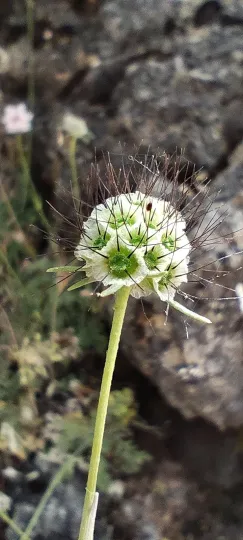
Description
Sowing dates
Scabiosa turolensis is a perennial herbaceous plant belonging to the Caprifoliaceae family. When cultivating this species, direct sowing in open ground is best performed in spring once soil temperatures reach 10–12°C.
The ideal window for sowing is April, allowing the plant to establish its root system before the onset of the summer heat. Seeds should be sown at a shallow depth of 0.5–1 cm.
For container-grown seedlings, start the process in March within a greenhouse environment. Ensure the substrate is porous to prevent damping-off, a common issue with young seedlings.
Seeds require light for optimal germination; therefore, they should not be covered with a thick layer of soil. A germination period of 2–3 weeks is typical under favorable conditions.
Once seedlings develop two sets of true leaves, they should be thinned or transplanted into individual pots to facilitate further root development before being moved to the field.
Growing requirements
Scabiosa turolensis thrives in full sun, which is essential for maintaining a compact growth habit and ensuring abundant flowering throughout the season.
The species is highly adaptable to various soil types, provided that drainage is excellent. It is naturally resistant to drought, making it an ideal choice for low-maintenance garden beds.
Soils should have a neutral or slightly alkaline pH level. In regions with heavy clay soils, incorporating sand or fine grit is necessary to improve aeration and prevent root rot.
Watering should be managed carefully, as the plant prefers to dry out between irrigation cycles. Overwatering is the most common cause of failure for this specific ornamental crop.
It exhibits strong winter hardiness and can endure seasonal temperature fluctuations, provided it is planted in a location that does not experience standing water during winter months.
Main diseases and pests
Powdery mildew is the most common disease affecting this species, particularly in areas with high humidity, poor air circulation, or excessive crowding of plants.
Root rot occurs primarily due to poor drainage or excessive soil moisture. To prevent this, ensure that plant spacing allows for adequate airflow around the foliage.
Aphids can be a significant nuisance, particularly during the early stages of bud formation. Monitoring the tips of stems for early signs of infestation is crucial for plant health.
Spider mites may appear during prolonged hot and dry periods. They typically inhabit the undersides of leaves, and early detection can be managed with simple biological or chemical interventions.
Integrated pest management, including weeding and thinning, is highly effective in maintaining the health and vigor of Scabiosa turolensis stands.
Harvesting
The primary utility of Scabiosa turolensis is in the horticultural industry, particularly for rock gardens, borders, and meadow-style landscaping projects.
Cut flowers are harvested when the blooms are about halfway open, which maximizes their vase life. Using clean tools is essential to prevent the introduction of pathogens.
Seed collection involves harvesting mature, dried flower heads towards the end of the season. Once fully brown, these heads should be collected in dry weather to avoid molding.
Seeds should be cleaned by removing debris and stored in breathable containers in a cool, dark, and dry environment until they are needed for the next sowing cycle.
Because of its attractiveness to pollinators, this species is increasingly favored in sustainable garden designs that aim to support local bee and butterfly populations.