
Orange horse gentian
Triosteum aurantiacum
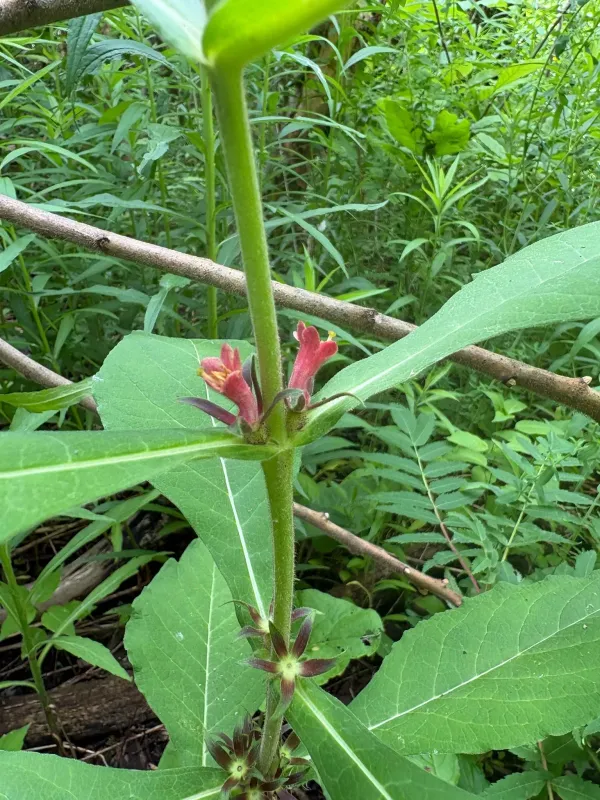
Description
Sowing dates
The orange horse gentian (Triosteum aurantiacum) is a herbaceous perennial belonging to the Caprifoliaceae family. Propagation is primarily achieved through seeds, which require a period of cold stratification.
For successful germination, sow seeds outdoors in the autumn season. The natural freezing and thawing cycles during winter are essential to break seed dormancy and ensure uniform emergence.
When sowing in trays, seeds should be kept in moist conditions at temperatures near freezing for at least 60–90 days. Proper substrate drainage is vital for seedling health.
Vegetative propagation via root division is another viable option. This should be performed during the plant's dormancy phase, specifically in early spring before the buds break.
Spacing is a crucial factor for mature specimens. Ensure each plant has a minimum of 24–30 inches of room to allow for canopy development and air circulation.
Growing requirements
Triosteum aurantiacum thrives in environments that mimic its native woodland habitat. It prefers partial shade rather than intense, direct sunlight, which can stress the leaves.
The soil should be rich in organic matter and possess a loamy structure. Adding decomposed leaf mold or compost significantly enhances the plant's growth vigor.
Consistent soil moisture is preferred. While the plant can tolerate short dry spells once established, it generally requires regular irrigation to remain healthy during summer.
The species is quite hardy, capable of withstanding cold winters in USDA zones 4 through 8. Mulching around the base is recommended to protect roots during severe frosts.
Avoid planting in heavy clay soils that retain excessive water, as this can lead to anaerobic conditions harmful to the root system of this species.
Main diseases and pests
Orange horse gentian is generally robust, but like many perennials, it can face challenges under improper environmental conditions.
Powdery mildew is a common fungal threat when plants are placed in areas with poor airflow. Thinning foliage and improving ventilation are primary preventive measures.
Aphids can infest young growth during the spring flush. These pests can be managed by using insecticidal soaps or by encouraging natural predators in the garden.
Root rot occurs if drainage is insufficient, especially in early spring when the ground is thawed but still saturated. Proper site selection prevents this issue.
In some regions, wildlife such as deer or rabbits may occasionally browse the foliage, so protective barriers might be necessary in areas with high pest density.