
Narrow-leaved horse-gentian
Triosteum angustifolium
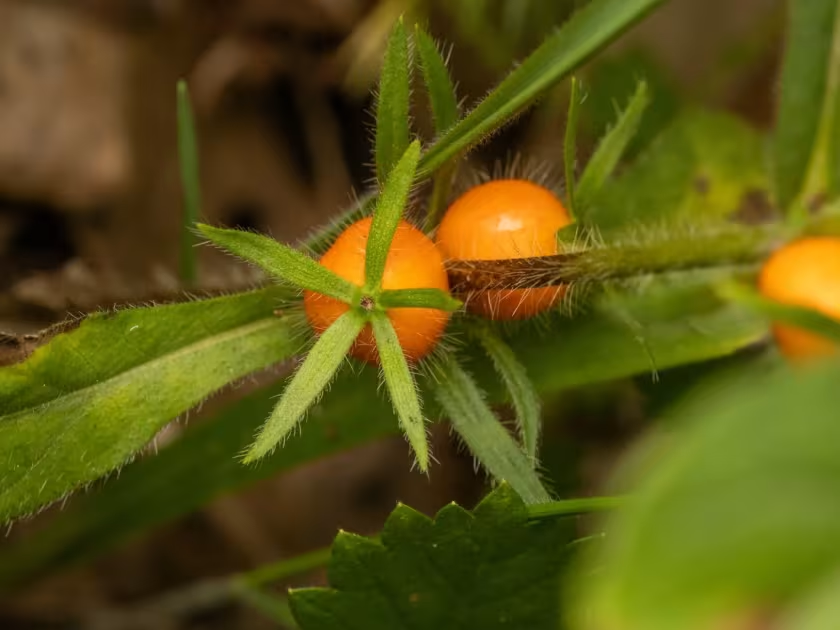
Description
Sowing dates
Propagation is primarily achieved through seeds, which exhibit physiological dormancy. Success depends on exposing the seeds to cold, moist stratification for several months to break this dormancy period before spring germination.
Sowing should ideally occur in the autumn, allowing seeds to experience natural seasonal cycles in the soil. If started in containers, the pots must remain outdoors through the winter to undergo necessary environmental cooling.
Vegetative propagation via rhizome division is another common method used for cloning desirable specimens. This is best performed when the plant is in a state of dormancy, usually in early spring or late autumn, to minimize transplant shock.
When dividing, ensure each segment has healthy growth buds and a portion of the root system. Place these segments into prepared soil, ensuring that the buds are positioned near the surface to facilitate easy sprouting.
Care during the seedling stage involves maintaining consistent soil moisture without waterlogging. Since the species has a relatively slow growth rate, weed control is essential during the first years of establishment.
Growing requirements
Narrow-leaved horse-gentian (Triosteum angustifolium) belongs to the Caprifoliaceae family. It is a perennial herbaceous plant native to the woodland regions of North America, where it thrives in shaded forest environments.
The plant requires moist, well-drained, and nutrient-rich soils with a high organic matter content. In agricultural or garden settings, it is essential to replicate its natural woodland floor habitat to ensure consistent growth and survival.
Optimal light conditions for this species are partial to dappled shade. Exposure to intense, direct sunlight, especially during the peak of summer, can cause scorched foliage and significantly weaken the plant's physiological condition.
Climate-wise, it is adapted to temperate zones, tolerating cold winter temperatures effectively. It requires a distinct dormancy period during the winter, followed by a gradual warming trend to initiate its spring growth phase.
Maintenance of the soil profile is crucial; the use of leaf mulch helps maintain the necessary soil acidity and moisture levels. Such practices help protect the roots from extreme temperature fluctuations and excessive dehydration.
Main diseases and pests
Slugs and snails are the most frequent pests, particularly in spring. These mollusks can cause significant damage to the emerging tender foliage, making protective measures like barriers or traps a necessary part of the maintenance program.
Root rot is a major threat linked to poor soil drainage and waterlogging. Once fungal pathogens invade the root system, recovery is challenging; therefore, prevention through site selection and soil amendment is the preferred management strategy.
Powdery mildew may occur if air circulation around the plants is inadequate. Providing sufficient spacing between plants and maintaining a clean growing area helps reduce humidity levels and limits the spread of fungal spores.
While generally robust, the plant can occasionally suffer from infestations of aphids or caterpillars. Monitoring during the active growing season allows for early intervention, preferably using gentle, non-toxic horticultural sprays.
General plant vigor is the best defense against pests and diseases. By ensuring the plant remains in its preferred environment with proper soil nutrients and moisture, the risk of significant health issues is greatly minimized.