
Succisa pinnatifida
Succisa pinnatifida
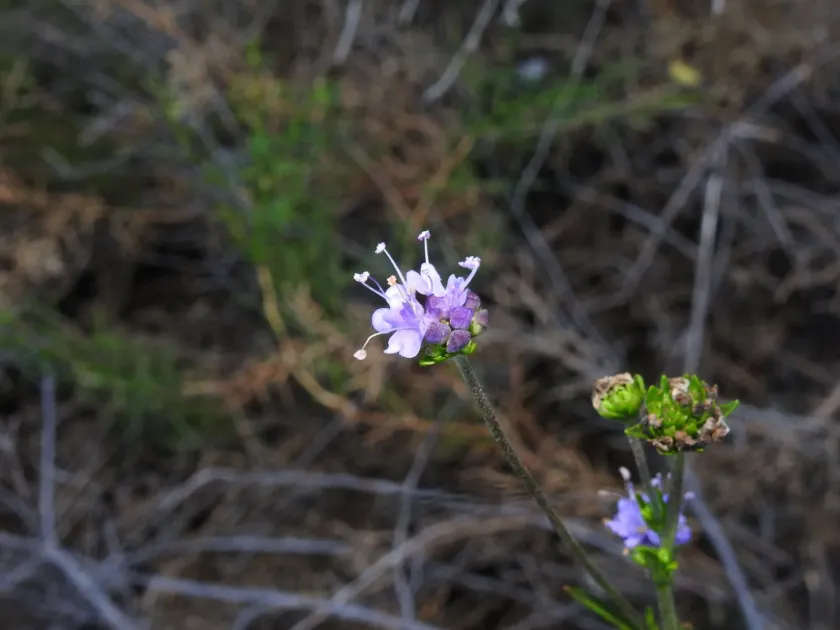
Description
Sowing dates
Sowing seeds of Succisa pinnatifida requires a stratification period to ensure high germination rates. Late autumn sowing is the most effective method, as it mimics natural conditions and prepares the seed for spring emergence.
For nursery cultivation, seeds are sown in a fine-grained, nutrient-rich substrate. A sowing depth of no more than 0.5 cm is ideal for this species, as the seeds require slight exposure to light to initiate the development process.
Once seedlings have reached the two-leaf stage, they should be transplanted to their final location with a spacing of approximately 40 cm. This ensures that every plant has sufficient space to develop a strong root system.
Regular monitoring of soil moisture during the germination phase is essential. If the soil dries out completely, the delicate rootlets of the emerging seedlings may die, leading to thin and uneven crop stands.
In subsequent years, the crop effectively occupies the space through self-seeding, which allows for minimal intervention in terms of replanting.
Growing requirements
Succisa pinnatifida, belonging to the Caprifoliaceae family, is a perennial herb that thrives in temperate climates. It prefers sunny to semi-shaded locations with consistent air circulation to prevent fungal issues.
The ideal soil profile consists of fertile, well-draining loam. Excessive water retention in the soil can be detrimental to the roots, so soil structure management is a top priority for successful cultivation.
The plant is highly resilient to cold temperatures, making it a reliable crop for northern regions. However, it benefits from a layer of mulch during the winter to protect the crown from harsh frost cycles.
Nutrient requirements are moderate, but the application of compost or well-balanced mineral fertilizers during the active growth phase significantly improves the volume and quality of the biomass produced.
The plant is sensitive to chemical herbicides, therefore, mechanical weeding between rows is the recommended practice to maintain crop vigor and prevent interference from invasive weeds.
Main diseases and pests
The most common threat to Succisa pinnatifida crops includes fungal leaf spots that develop during periods of high humidity and poor ventilation. Preventive measures include proper plant spacing and strict moisture control.
Aphids can occasionally infest the growing tips during the early spring, causing stunted growth. Integrated pest management using biological controls or soft-soap solutions is effective for managing these populations.
Root rot is a major risk if the soil remains waterlogged for extended periods. This can lead to rapid decline in plant health and should be prevented by optimizing soil drainage before the initial planting.
Slugs and snails may damage the young foliage during wet weather. Utilizing physical barriers such as copper tape or organic baits can help protect the vulnerable seedlings from significant damage.
Maintaining a rotation cycle and avoiding monoculture on the same plot for many consecutive years helps reduce the buildup of soil-borne pathogens and ensures long-term crop sustainability.